
Nonprofit vs. For-Profit Senior Care: What Families Need to Know
Choosing a senior living community for a parent or loved one is one of the most significant decisions a family will ever make. It is a choice layered with emotion, logistics, and, quite often, a bit of healthy skepticism. As you begin your search, you will likely notice a recurring distinction in the brochures and websites you visit: some communities are “for-profit,” while others like A.G. Rhodes are “nonprofit”.
At first glance, the rooms might look similar, and the dining menus might offer the same variety. But beneath the surface, the business model of a community dictates its culture, its staffing, and its priorities.
When we talk about the difference between nonprofit and for-profit care, we aren’t just talking about tax codes. We are talking about organizational structure and purpose. Understanding this distinction is the key to finding a home where your loved one isn’t just a resident, but a part of a mission.
The Core Difference: Ownership and Mission
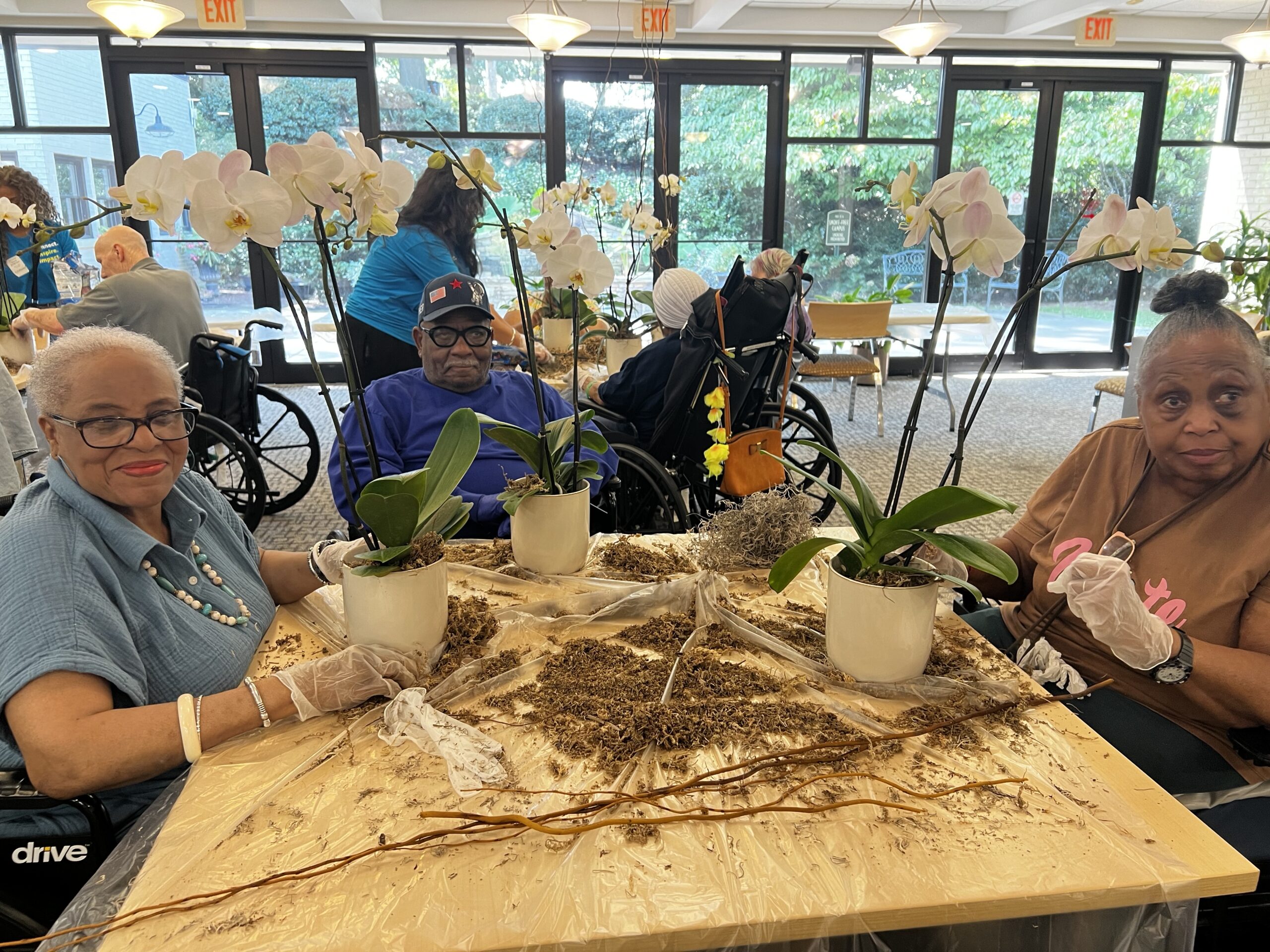
The distinction between nonprofit and for-profit care becomes clearer when you examine the ownership and mission.
In a for-profit community, the organization is accountable to owners or outside investors. Like any other business, their goal is to provide a service while generating a return on investment.
A nonprofit community, often designated as a 501(c)(3) organization, operates under a different mandate. It does not have shareholders or outside investors. Instead, its mission—typically centered on service, care quality, and community benefit—guides decision-making. Profit earned, referred to as a surplus, is reinvested back into the community to support operations, services, and long-term sustainability.
This reinvestment manifests in things like improved amenities for residents, innovative programming , more activities, facility upgrades, and in the people who provide the care. When you choose a nonprofit, you are choosing an organization that answers to a mission, not a stock price.
4 Key Advantages of Choosing a Nonprofit Community
While every facility should be judged on its own merits, decades of data and family experiences point to four consistent advantages found in the nonprofit model.
1 Reinvestment in Quality of Care
Care is a human-centered industry. The quality of your loved one’s life depends on the nurse who knows their medication schedule and the CNA who knows their favorite activity. Nonprofits historically maintain higher staff-to-resident ratios. When staff members aren’t overworked and stretched thin, they can provide the kind of person-directed, compassionate care that your family expects.
2 Accountability to a Local Board
Who makes the decisions when a crisis hits or a new wing needs to be built? In a for-profit chain, those decisions may come from a corporate headquarters hundreds of miles away.
Nonprofit communities are typically governed by a voluntary Board of Trustees or Directors. These may be local community leaders, doctors, clergy, and business professionals who live in the same neighborhood you do. They serve because they care about the local legacy of the organization. This oversight ensures that the community remains responsive to the families it serves, rather than a corporate mandate.
3 Longevity and Financial Stability
The senior living industry sees a significant amount of flipping. For-profit facilities are often bought and sold by private equity firms looking to optimize and resell the property. This can lead to sudden changes in management, branding, and even the level of care.
Nonprofits, by contrast, are built for the long haul. Many nonprofit senior organizations have been serving their cities for 50, 75, or even 100 years. They are staples of the community. This stability provides families with peace of mind, knowing that the organization’s culture and leadership won’t disappear overnight due to a corporate acquisition.
4 A Culture of Compassion
There is an intangible feeling when you walk into a mission-driven community. When an organization’s primary goal is service, it attracts a specific type of employee. From the front desk to the therapy gym, you are more likely to find servant-leaders, people who view senior care as a calling rather than just a shift.
In a for-profit organization, success is typically evaluated through financial performance metrics alongside service delivery goals. In a nonprofit organization, success is often evaluated not only through financial performance, but through resident well-being and quality of care—an emphasis that can influence everyday interactions.
Comparison at a Glance: Navigating Your Options
| Feature | Nonprofit Care | For-Profit Care |
|---|---|---|
| Success Measured By | Resident well-being & mission fulfillment | Financial performance & service delivery |
| Revenue Usage | Reinvested into staff, facilities, & care | Distributed as profits to owners/investors |
| Governance | Local, volunteer Board of Trustees | Corporate and/or investor leadership |
| Staffing | Typically higher staff-to-resident ratios | Often emphasizes efficiency and scalability |
| Stability | Deeply rooted; decades of local history | May change ownership or branding frequently |
Questions to Ask During Your Tour
Visiting a community in person gives families the opportunity to ask questions, meet staff, and experience the environment firsthand. As you look at various communities, consider asking questions that help you understand what daily life is really like—for residents and staff alike. Often, the most telling insights come from simple, open-ended conversations.
- What do you enjoy most about working here?
(Staff pride, longevity, and tone say a lot about culture.)
- How long have you been part of this community?
(Tenure can be a helpful indicator of stability and staff engagement.)
- What does a typical day look like for residents?
(Listen for familiarity, flexibility, and personalization.)
- How does the team support residents when their needs change?
(This reveals adaptability, communication, and care philosophy.)
- How would you describe the atmosphere here to a new family?
(You’ll often hear words that reflect values and lived experience.)
- What do families tend to appreciate most after their loved one moves in?
(Staff perspectives often highlight what truly matters day to day.)
- How do residents and staff get to know one another?
(Strong relationships are at the heart of quality care.)
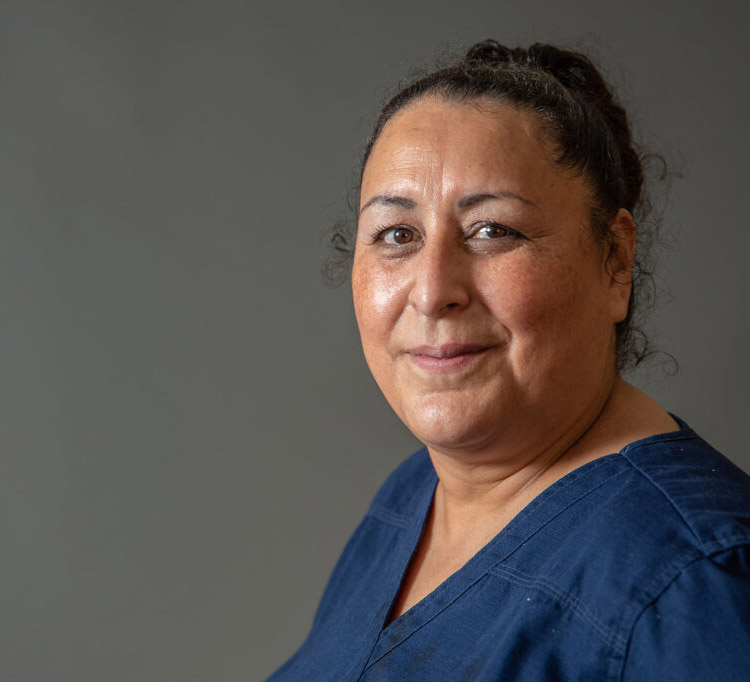
“It’s a calling for a lot of people, and it is my calling.”
— Lorraine, CNA
19-year Care Partner
Making the Right Choice for Your Family
There is no one-size-fits-all answer in senior care. High-quality care exists across organizational models, and the right choice depends on your loved one’s needs, preferences, and values.
Understanding whether a community operates as a nonprofit or for-profit can provide helpful context—but it should be considered alongside care quality, staff engagement, environment, and overall fit.
As you evaluate your options, look beyond surface features. Ask thoughtful questions. Observe how people interact. Ultimately, you’re not just choosing a place to live—you’re choosing a partner in care.
Need more help navigating the search?
We know how overwhelming this journey can be.
If you’d like to see the mission-driven difference in person, schedule a tour with our team today.
or CALL 877-918-6413