
The Nonprofit Difference: What Families Need to Know
Choosing a senior living community for a parent or loved one is one of the most significant decisions a family will ever make. It is a choice layered with emotion, logistics, and, quite often, a bit of healthy skepticism. As you begin your search, you may notice that some communities like A.G. Rhodes promote a “nonprofit” distinction in the brochures and websites you visit.
When we talk about the nonprofit difference, we aren’t just talking about tax codes. We are talking about organizational structure and purpose. Understanding this distinction is the key to finding a home where your loved one isn’t just a resident, but a part of a mission.
The Core Difference: Mission-Driven
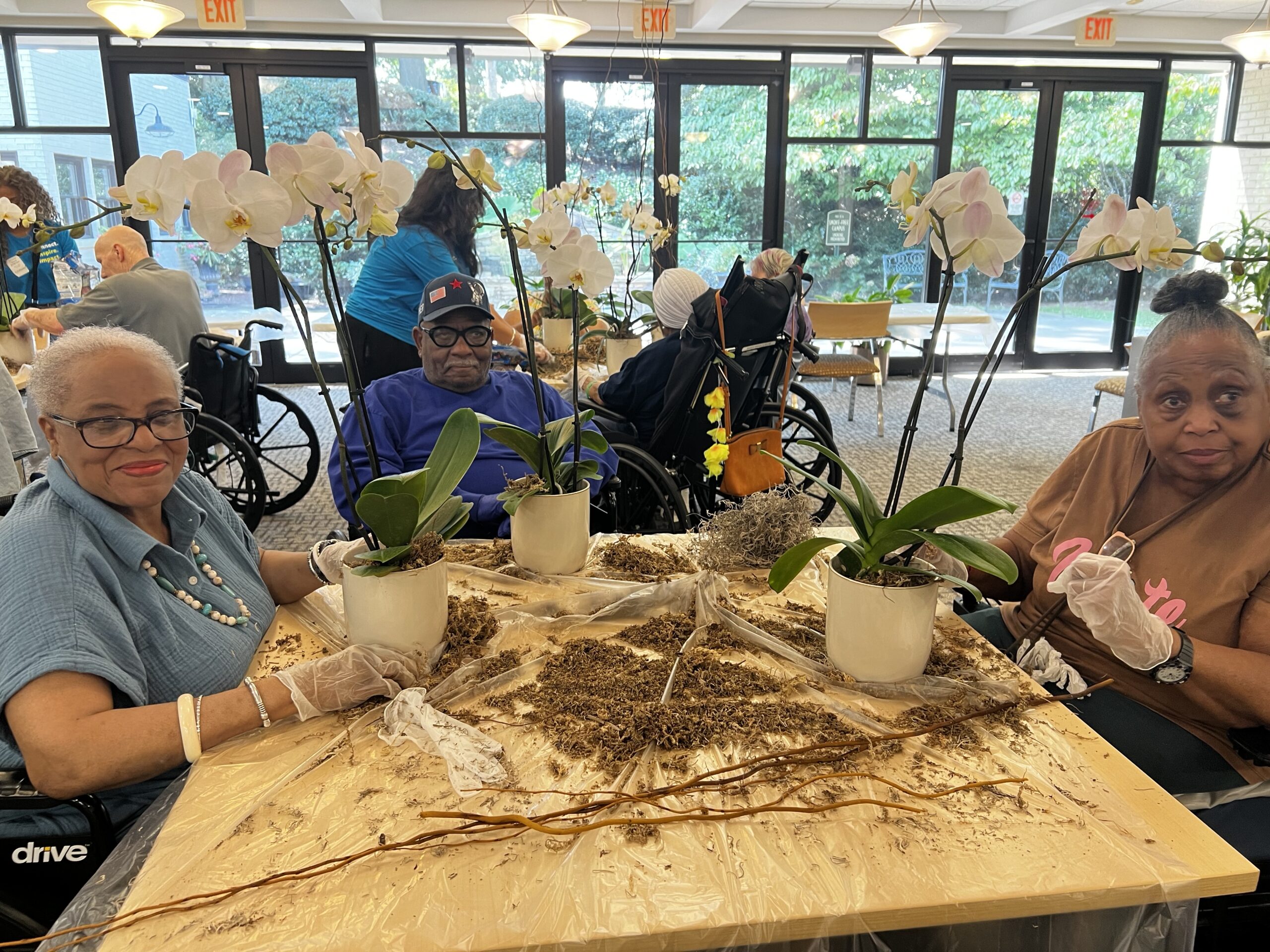
The nonprofit distinction becomes clearer when you examine the way an organization operates with a mission-driven focus.
Instead of being accountable to owners or outside investors, a nonprofit community, often designated as a 501(c)(3) organization, operates under a different mandate. Its mission—typically centered on service, care quality, and community benefit—guides decision-making. Profit earned, referred to as a surplus, is reinvested back into the community to support operations, services, and long-term sustainability.
This reinvestment can support improved amenities for residents, innovative programming, more activities, community upgrades, and the people who provide care. But fulfilling a nonprofit mission also depends on support beyond operating revenue. Fundraising and the generosity of donors and community partners provide critical resources that help nonprofits strengthen programs, invest in their communities, and sustain their mission for the future.
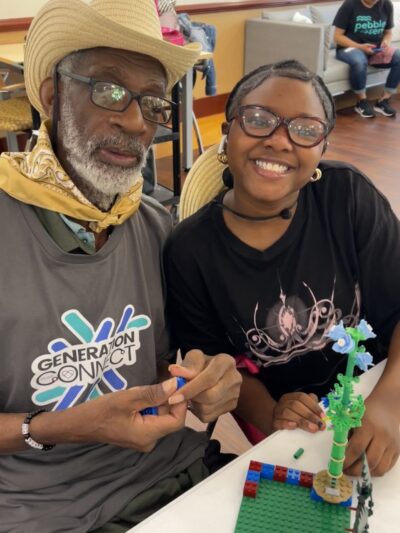
Community support also comes through the gift of time. Volunteers who share a commitment to the mission enrich the resident experience through companionship, activities, special events, and other meaningful interactions that foster a strong sense of community.
When you choose a nonprofit, you are choosing an organization that answers to a mission—and a mission strengthened by the community that supports it.
4 Key Benefits of Choosing a Nonprofit Community
While every community should be judged on its own merits, decades of data and family experiences point to four consistent advantages found in the nonprofit model.
1 Reinvestment in Quality of Care
In a nonprofit, resources are reinvested in ways that support quality care and enhance the resident experience. This can include new programs and services, specialized equipment and technology, improvements to living spaces and amenities, as well as investments in the people who provide care through training, development, and other workforce resources.
Community support and fundraising can further extend these investments, helping nonprofits pursue enhancements and opportunities that benefit residents and might not otherwise be possible.
2 Accountability to a Local Board
Who makes the decisions when a crisis hits or a new wing needs to be built? Nonprofit communities are typically governed by a Board of Trustees or Directors. These may be local community leaders, doctors, clergy, and business professionals who live in the same neighborhood you do. They serve because they care about the local legacy of the organization. This oversight ensures that the community remains responsive to the families it serves.
3 Longevity
Many nonprofit senior care organizations have deep roots in their communities, serving for 50, 75, or even 100 years—or more than 120 years in the case of A.G. Rhodes!
This longevity depends in part on the generosity of donors, volunteers, partners, and others who believe in the mission. Community support is critical to sustaining mission-driven work and ensuring nonprofits can continue serving future generations.
4 A Culture of Compassion
There is an intangible feeling when you walk into a mission-driven community. When an organization’s primary focus is service, that sense of purpose can become part of its culture. From the front desk to the therapy gym, you’ll often find people who view senior care as a calling more than a job and who share a commitment to serving older adults.
That shared sense of purpose can be reflected in the everyday experience of residents—in the relationships that are formed, the attention given to individual preferences, and the commitment to providing person-directed, compassionate care.
At a Glance: The Nonprofit Difference
| Feature | Nonprofit Care |
|---|---|
| Success Measured By | Resident well-being & mission fulfillment |
| Revenue Usage | Reinvested into care, facilities & staff |
| Quality | Often associated with higher CMS quality ratings |
| Governance | Local Board of Trustees |
| Staffing | Typically higher staff-to-resident ratios |
| Volunteer Support | Enhances the resident experience |
| Longevity | Deeply rooted; decades of local history |
Support the nonprofit difference. Every gift helps A.G. Rhodes strengthen our mission and continue investing in the care and experiences that make a difference for our elders. Donate today.
Questions to Ask During Your Tour
Visiting a community in person gives families the opportunity to ask questions, meet staff, and experience the environment firsthand. As you look at various communities, consider asking questions that help you understand what daily life is really like—for residents and staff alike. Often, the most telling insights come from simple, open-ended conversations.
- What do you enjoy most about working here?
(Staff pride, longevity, and tone say a lot about culture.)
- How long have you been part of this community?
(Tenure can be a helpful indicator of stability and staff engagement.)
- What does a typical day look like for residents?
(Listen for familiarity, flexibility, and personalization.)
- How does the team support residents when their needs change?
(This reveals adaptability, communication, and care philosophy.)
- How would you describe the atmosphere here to a new family?
(You’ll often hear words that reflect values and lived experience.)
- What do families tend to appreciate most after their loved one moves in?
(Staff perspectives often highlight what truly matters day to day.)
- How do residents and staff get to know one another?
(Strong relationships are at the heart of quality care.)
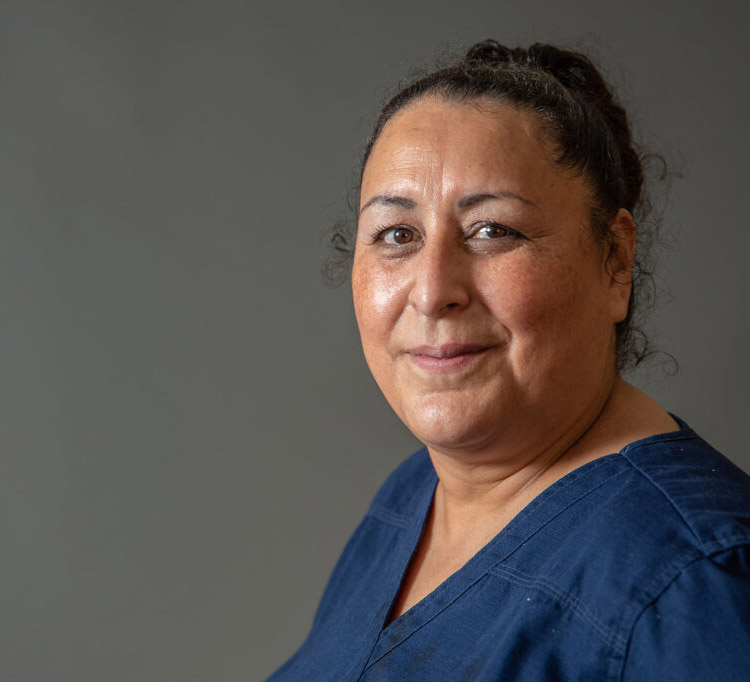
“It’s a calling for a lot of people, and it is my calling.”
— Lorraine, CNA
19-year Care Partner
Making the Right Choice for Your Family
There is no one-size-fits-all answer in senior care. High-quality care exists across organizational models, and the right choice depends on your loved one’s needs, preferences, and values.
Understanding how a community operates can provide helpful context, but it should be considered alongside care quality, staff engagement, environment, and overall fit.
As you evaluate your options, look beyond surface features. Ask thoughtful questions. Observe how people interact. Ultimately, you’re not just choosing a place to live—you’re choosing a partner in care.
Need more help navigating the search?
We know how overwhelming this journey can be. If you’d like to see the mission-drive difference in person, contact us to schedule a tour.
You can also tour our three metro Atlanta communities virtually.
Have Questions? Call 877-918-6413