

Lifelong friendships in a senior care community improve mental health, reduce loneliness, and support cognitive and physical well-being. Structured social programs, compassionate staff, and a culture of connection help residents build meaningful bonds. At communities like A.G. Rhodes, friendship is not incidental—it is intentionally nurtured as part of whole-person care.
Lifelong friendships in a senior care community strengthen emotional resilience, reduce isolation, and enhance quality of life. Through shared activities, daily interactions, and supportive caregiving, residents build meaningful relationships that promote better mental, cognitive, and physical health outcomes while fostering a strong sense of belonging.
Why Lifelong Friendships Matter in Senior Care Communities
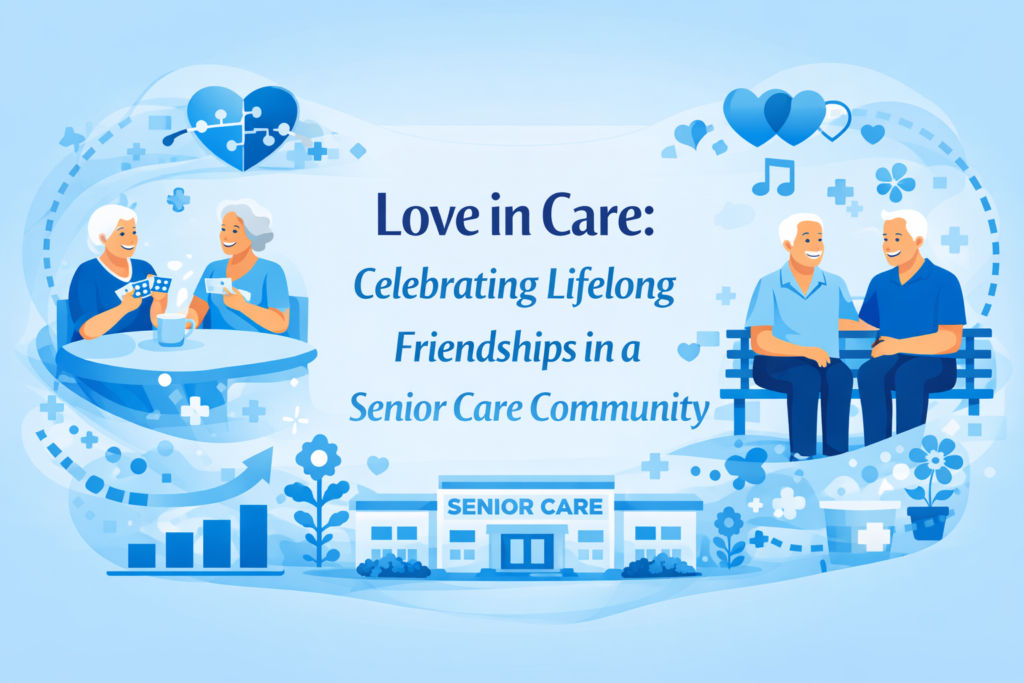 The Emotional and Psychological Impact of Connection
As adults age, social circles often shrink due to retirement, relocation, or the loss of loved ones. In a senior care community, intentional social engagement becomes critical.
Research consistently shows that older adults with strong social connections experience:
- Lower rates of depression and anxiety
- Reduced risk of cognitive decline
- Improved immune function
- Greater life satisfaction
- Lower mortality risk
Friendships provide more than companionship. They reinforce identity, purpose, and emotional security. In senior living environments, peer relationships often become daily anchors—someone to sit with at meals, attend activities with, or simply talk to in the hallway.
Unlike casual social interaction, long-term bonds in senior care settings evolve into trusted relationships built on shared experiences and mutual understanding.
How Senior Care Communities Foster Meaningful Relationships
1. Structured Social Programming
High-quality senior care communities create intentional opportunities for connection:
- Group exercise and wellness classes
- Art, music, and creative workshops
- Faith-based gatherings
- Intergenerational programs
- Memory support group activities
- Community celebrations and themed events
These programs reduce social barriers and make it easier for residents to interact naturally.
2. Environment Designed for Interaction
Community layout plays a key role in fostering friendships. Features that encourage connection include:
- Shared dining rooms
- Comfortable common lounges
- Outdoor gardens and walking paths
- Activity rooms and community spaces
Proximity increases the frequency of interaction, which strengthens relational bonds over time.
3. Compassionate, Relationship-Centered Care
Staff members in leading communities like A.G. Rhodes understand that care is relational, not transactional. By learning residents’ histories, interests, and preferences, caregivers help match individuals with similar hobbies or life experiences—subtly facilitating new friendships.
This approach aligns with person-centered care models that prioritize emotional well-being alongside clinical excellence.
The Health Benefits of Lifelong Friendships in Senior Living
Cognitive Health and Brain Function
Social interaction stimulates memory, language, and executive functioning. Regular conversation and group participation:
- Encourage mental stimulation
- Reinforce recall through storytelling
- Support residents in memory care settings
In structured memory support programs, familiar peer interactions can reduce agitation and confusion.
Physical Health Outcomes
Residents who feel socially connected are more likely to:
- Participate in physical therapy
- Attend wellness programs
- Maintain consistent nutrition
- Engage in mobility exercises
Friendships often serve as motivation—“I’ll go if you go.”
Emotional Stability and Resilience
Shared laughter, empathy, and companionship provide emotional buffering during health challenges or transitions. Residents who develop close bonds report:
- Greater sense of safety
- Reduced stress levels
- Stronger adaptation during recovery
Independent Living vs. Community-Based Senior Care: A Social Comparison
| Factor | Aging at Home Alone | Senior Care Community |
| Daily Social Interaction | Limited | Frequent and structured |
| Access to Group Activities | Minimal | Extensive programming |
| Emotional Support Network | Often small | Built-in peer community |
| Staff Encouragement | None | Active social facilitation |
| Loneliness Risk | Higher | Significantly reduced |
While aging at home offers independence, it may not provide consistent opportunities for meaningful social engagement.
Unique Insight: The Role of Shared Life Stage in Deepening Bonds
One often overlooked advantage of senior care communities is shared life stage alignment. Residents:
- Understand common generational experiences
- Share cultural and historical reference points
- Relate to similar health transitions
- Appreciate comparable music, traditions, and values
This shared context accelerates trust and emotional closeness.
Unlike friendships formed earlier in life, senior community relationships are often grounded in empathy, wisdom, and mutual caregiving.
How Families Benefit from a Connected Community
When loved ones develop meaningful friendships in a senior care setting, families often notice:
- Improved mood during visits
- Increased enthusiasm for activities
- Reduced calls expressing loneliness
- Greater overall stability
Families gain peace of mind knowing their loved one is socially supported—not just medically cared for.
Building a Culture of Connection at A.G. Rhodes
A.G. Rhodes is recognized for its commitment to compassionate, relationship-centered care. Beyond clinical excellence, the organization emphasizes:
- Community-building programs
- Person-directed engagement
- Long-term staff-resident relationships
- Holistic wellness initiatives
Residents are encouraged to participate in:
- Holiday celebrations
- Group outings
- Wellness classes
- Creative arts programs
- Volunteer and service projects
This intentional design transforms care from institutional to communal.
Signs a Senior Care Community Prioritizes Friendship
When evaluating senior care communities, look for:
- Residents actively socializing in common areas
- Consistent group programming on calendars
- Staff engaging warmly with residents
- Low levels of visible isolation
- Testimonials referencing companionship
Communities that prioritize emotional connection often demonstrate better overall resident satisfaction and engagement.
Choosing a Senior Care Community That Supports Lifelong Bonds
When selecting a senior care community, ask:
- How often are group activities offered?
- Are there programs tailored to different interests?
- How does staff encourage social engagement?
- Are families invited to participate in community events?
- What is the staff-to-resident interaction style?
The answers reveal whether the environment fosters connection or merely provides housing and medical oversight.
Celebrate Love in Care at A.G. Rhodes
Lifelong friendships do not end with aging—they evolve and deepen. At A.G. Rhodes, care extends beyond clinical support to nurturing meaningful relationships that enrich daily life.
If you are exploring senior care options for a loved one, consider a community that values connection as much as clinical excellence.
Schedule a tour at A.G. Rhodes today and discover how compassionate care and lifelong friendships create a true sense of home.
Frequently Asked Questions (FAQ)
1. Why are friendships important in senior care communities?
Friendships improve emotional well-being, reduce loneliness, and support better cognitive and physical health outcomes.
2. Can seniors form new meaningful friendships later in life?
Yes, seniors often form deep, meaningful friendships based on shared life experiences and daily interaction.
3. How do senior care communities reduce loneliness?
Through structured activities, communal spaces, and relationship-centered care that encourages regular social engagement.
4. Do friendships impact physical health in older adults?
Yes, socially connected seniors are more likely to participate in wellness programs and experience improved overall health outcomes.
5. What should families look for in a socially supportive community?
Look for active group programming, engaged residents, warm staff interaction, and visible community engagement.