

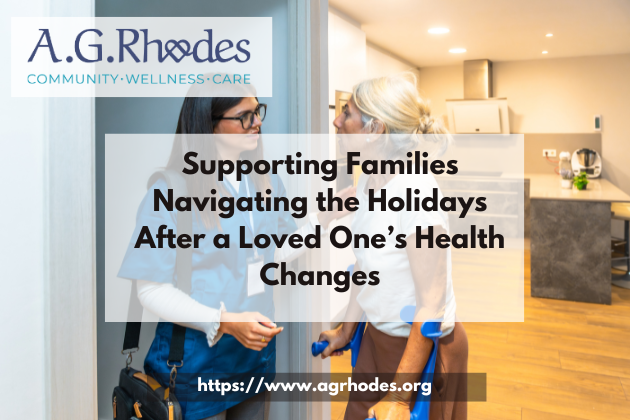
 The holiday season is often filled with warmth, celebration, and meaningful traditions. However, for families adjusting to a loved one’s recent health changes, this time of year can also bring emotional, logistical, and physical challenges. As care needs shift, familiar routines may need to adapt, and families may find themselves balancing joy with uncertainty. Through compassionate guidance and supportive services such as senior short-term rehabilitation services, families can still create meaningful, comforting, and uplifting holiday experiences for their loved ones.
Understanding the Emotional Impact of Health Changes During the Holidays
When a loved one’s health declines or changes significantly, the emotional toll can feel especially heavy during the holiday season. Families may experience grief over changing traditions, worry about safety and comfort, or guilt about not being able to meet every need.
Common emotional challenges include:
- Grief for holiday traditions that may no longer be possible
- Guilt over reduced ability to provide care or attention
- Stress from managing caregiving on top of holiday responsibilities
- Uncertainty around how to safely include loved ones in gatherings
- Anxiety related to travel, winter weather, or medical needs
Recognizing these emotions is an important step toward managing them. Families do not have to face these changes alone—professional support and thoughtful planning can bring peace and reassurance.
Adapting Holiday Traditions to Support Evolving Health Needs
Holiday traditions can still thrive—they may simply need to evolve. By making gentle adjustments, families can create enjoyable, inclusive moments that honor a loved one’s comfort and changing abilities.
Ideas for adapting traditions include:
- Hosting shorter visits or using video calls to reduce fatigue
- Incorporating soothing sensory experiences such as music, lights, or familiar scents
- Choosing low-energy activities like storytelling, holiday films, or card-writing
- Bringing the celebration to your loved one if travel is difficult
These small modifications preserve the heart of the holidays while respecting physical or cognitive limitations.
Practical Strategies to Reduce Holiday Stress for Caregivers
The holidays can place added pressure on caregivers. Managing appointments, daily routines, family gatherings, and seasonal responsibilities can quickly become overwhelming.
Helpful caregiving strategies include:
- Creating a realistic schedule that includes breaks and rest
- Asking siblings or family members to share responsibilities
- Preparing early with medication refills, mobility aids, and transportation plans
- Using senior short-term rehabilitation services allow caregivers to attend events or rest
- Monitoring for sensory overload in seniors with memory or cognitive changes
With thoughtful planning, caregivers can focus more on quality time and less on stress.
Supporting Seniors Emotionally Through Holiday Transitions
Older adults may also experience emotional challenges during the holidays, especially if health changes affect their participation or independence.
Ways to offer comfort and reassurance include:
- Reminding them regularly of their importance in family celebrations
- Encouraging reminiscing and sharing memories of past holidays
- Providing gentle structure to reduce confusion or anxiety
- Involving them in simple decisions like choosing decorations or music
- Keeping routines consistent to promote stability and comfort
Emotional connection is often the greatest gift you can offer.
The Role of Professional Care in Enhancing Holiday Well-Being
When navigating new or ongoing health challenges, professional support—especially through services like senior short-term rehabilitation services—can bring families stability and peace of mind. Skilled care teams help ensure safety, comfort, and continuity during a time of heightened activity.
Key benefits of professional support include:
- Clinical oversight for new or complex medical needs
- Assistance with mobility, medication management, and daily care
- Therapeutic activities that support cognitive and physical strength
- Social engagement to reduce isolation during winter months
Partnering with experienced caregivers allows families to embrace the holiday spirit while meeting evolving care needs.
Creating New Traditions That Honor the Present
As families grow and circumstances change, new traditions can emerge—ones that honor both the past and the present moment.
Meaningful new traditions may include:
- Lighting a candle to reflect on the year’s challenges and blessings
- Sharing gratitude as a family
- Reading holiday cards together
- Creating a memory scrapbook
- Hosting a small celebration within a care community or home
These new rituals often carry deep emotional meaning and reinforce connection.
You Don’t Have to Navigate This Season Alone
The holidays may look different when a loved one’s health changes, but with compassion, thoughtful planning, and support such as senior short-term rehabilitation services, families can still experience peace, joy, and meaningful connection. At A.G. Rhodes, we walk alongside families through every step of the journey, offering skilled care, emotional support, and a warm, welcoming environment where seniors can truly thrive.
If your family needs expert care, short-term senior care, or guidance this holiday season, reach out to A.G. Rhodes today. Let us help you create a season filled with comfort, dignity, and cherished moments.