

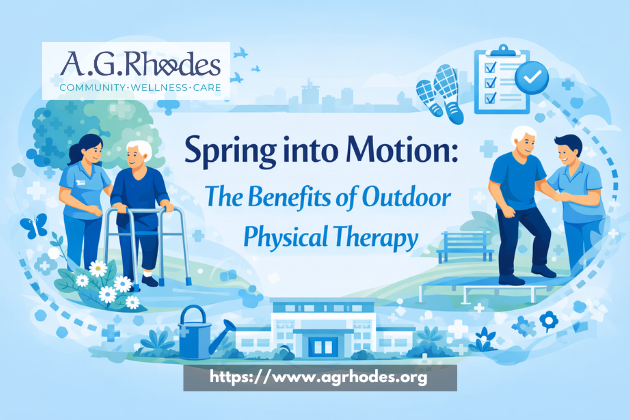
 Outdoor physical therapy combines evidence-based rehabilitation with the healing benefits of nature. Patients experience improved mobility, reduced pain, enhanced mood, and faster recovery. Activities in fresh air promote cardiovascular health, strengthen muscles, improve balance, and increase adherence to therapy programs, making it an effective complement to traditional clinic-based PT.
Spring into Motion: Outdoor physical therapy boosts physical and mental health by combining structured exercises with nature’s restorative environment, accelerating recovery, improving mobility, and enhancing overall wellness for seniors and other patients recovering from injury or surgery.
Why Outdoor Physical Therapy Matters
While traditional physical therapy is highly effective, it usually takes place indoors in controlled environments such as gyms or clinics. Although safe and structured, these settings lack the holistic benefits of the natural outdoors. Integrating outdoor therapy can significantly improve patient outcomes by engaging the mind and body in a stimulating environment.
Key Benefits Include:
- Higher Patient Engagement: Patients are more likely to look forward to sessions conducted in parks, gardens, or open spaces.
- Functional Movements: Exercises on varying surfaces mimic real-life movements and improve daily function.
- Cardiovascular Health: Walking, jogging, or gentle cycling outdoors naturally increases heart rate and stamina.
- Mental Health Boost: Exposure to sunlight and fresh air reduces stress, enhances mood, and stimulates cognitive function.
- Social Interaction: Group sessions outdoors encourage connection, motivation, and accountability among participants.
Physical Benefits of Outdoor Therapy
Outdoor physical therapy is more than just a change of scenery—it provides real-world, functional benefits that indoor PT cannot fully replicate.
| Benefit | Explanation | Supporting Evidence |
| Improved Balance & Coordination | Uneven surfaces challenge proprioception and prevent falls | Journal of Aging & Physical Activity, 2022 |
| Enhanced Strength | Inclines, resistance from natural surfaces, and bodyweight exercises boost muscle activation | American Physical Therapy Association research |
| Cardiovascular Health | Walking, jogging, or cycling outdoors safely increases heart rate and endurance | Mayo Clinic, 2021 |
| Accelerated Recovery | Outdoor functional tasks simulate everyday movements, improving functional independence | Clinical Rehabilitation, 2020 |
| Reduced Pain Perception | Natural settings may enhance relaxation and lower pain perception | Frontiers in Psychology, 2019 |
Pro Tip: Combining resistance bands, light weights, or therapy balls with outdoor exercises can amplify strength and flexibility benefits.
Mental Health and Cognitive Benefits
Outdoor physical therapy has a pronounced impact on mental health, particularly for seniors, post-surgical patients, or individuals with chronic conditions:
- Reduced Stress and Anxiety: Studies indicate that spending just 20–30 minutes in a natural environment can lower cortisol levels and reduce physiological stress.
- Enhanced Mood and Motivation: Sunlight triggers serotonin production, which contributes to feelings of happiness and motivation.
- Cognitive Stimulation: Outdoor exercises, including obstacle navigation or gardening tasks, stimulate problem-solving skills, attention, and memory.
- Reduced Depression Symptoms: Green exercise (physical activity in natural environments) has been shown to reduce depressive symptoms in clinical populations.
Expert Tip: Encourage patients to track their mood alongside physical progress to demonstrate mental health benefits of outdoor sessions.
Ideal Outdoor Therapy Activities
Outdoor PT can be tailored to individual abilities and recovery goals. Some of the most effective activities include:
- Walking and Hiking: Promotes cardiovascular health and strengthens lower body muscles.
- Balance and Agility Drills: Use uneven surfaces such as grass, sand, or gravel to challenge balance.
- Resistance Training: Light weights, resistance bands, or bodyweight exercises can be safely performed outdoors.
- Functional Movements: Tasks such as stair climbing, lifting objects, or gardening simulate daily life activities.
- Group Activities: Yoga, tai chi, or low-impact aerobics sessions improve flexibility, balance, and social engagement.
Safety Note: Proper footwear, weather-appropriate clothing, and hydration are essential. Patients with cardiovascular or orthopedic limitations should be closely monitored.
Comparison: Indoor vs. Outdoor Physical Therapy
| Feature | Indoor PT | Outdoor PT |
| Environment Control | Controlled temperature, equipment available | Natural environment, variable terrain, sunlight exposure |
| Engagement | Routine, structured exercises | Stimulating, dynamic, enjoyable |
| Mental Health Impact | Moderate improvement | Significant, with added exposure to nature |
| Real-world Functional Gains | Limited | High, simulates daily life movements |
| Social Interaction | Optional | Encouraged through group sessions and shared outdoor activities |
| Recovery Outcomes | Effective | Often enhanced due to holistic benefits |
Key Insight: Many therapists recommend a hybrid approach—combining indoor and outdoor PT sessions—to maximize functional recovery while maintaining safety and structure.
Who Can Benefit Most
Outdoor physical therapy is suitable for a wide range of patients:
- Seniors recovering from orthopedic surgeries such as hip or knee replacements
- Individuals recovering from stroke or neurological conditions
- Patients with balance or mobility challenges seeking functional gains
- Those with mild cognitive impairments benefiting from environmental stimulation
- Anyone needing increased motivation, adherence, and enjoyment in their therapy program
Professional Tip: Each program should be tailored to the patient’s physical capabilities and medical condition. Outdoor PT is most effective when integrated into an individualized rehabilitation plan.
Safety Considerations
While outdoor physical therapy offers numerous benefits, patient safety must remain a priority:
- Weather Assessment: Avoid extreme heat, cold, or storms.
- Surface Safety: Check for obstacles, uneven terrain, or slippery surfaces.
- Hydration and Sun Protection: Encourage regular water intake and use of sunscreen or protective clothing.
- Adaptive Equipment: Walking aids, handrails, or stability tools may be necessary for some patients.
- Monitoring: Therapists should track patient vitals, fatigue, and pain levels during outdoor sessions.
Take the first step toward a more engaging, effective, and enjoyable rehabilitation experience. Schedule a consultation with A.G. Rhodes to explore personalized outdoor physical therapy programs designed to enhance mobility, independence, and overall well-being.
FAQ Section
Is outdoor physical therapy safe for seniors?
Yes, when customized by a licensed therapist and conducted in a controlled, safe environment.
How often should outdoor PT sessions be scheduled?
Most patients benefit from 2–3 sessions per week, adjusted to individual recovery goals.
Can outdoor therapy replace traditional PT?
It complements indoor therapy but should not fully replace structured clinical care.
What equipment is needed for outdoor PT?
Minimal equipment like resistance bands, mats, or light weights; natural terrain also serves as resistance.
Does outdoor PT help mental health?
Yes, exposure to sunlight, fresh air, and nature enhances mood, reduces stress, and improves cognitive function.