

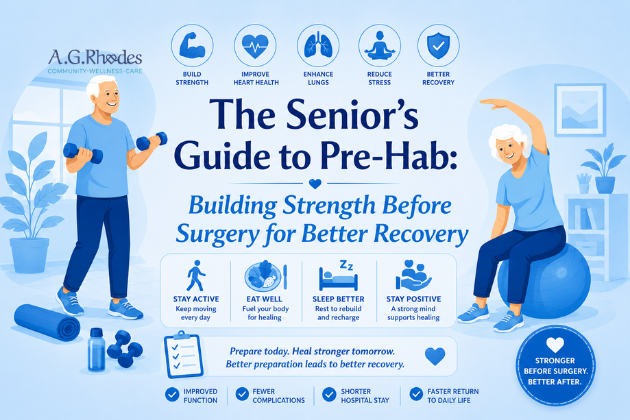
 Preparing for surgery involves more than scheduling a procedure and arranging transportation. For seniors, the weeks leading up to surgery can significantly influence how quickly and safely they recover afterward. This is where pre-hab—short for prehabilitation—comes in.
Why Pre-Hab Matters
Pre-hab is a proactive program that helps seniors build strength, improve mobility, and boost overall health before surgery. By preparing the body in advance, older adults may experience fewer complications, shorter hospital stays, and a smoother transition into short-term rehabilitation after surgery.
What Is Pre-Hab?
Pre-hab is a personalized plan designed to improve a patient’s physical and mental readiness before surgery. It often includes:
- Strength and mobility exercises
- Balance and flexibility training
- Nutrition support
- Breathing exercises
- Education about the recovery process
- Stress management and mental preparation
Unlike traditional rehab, which happens after surgery, pre-hab begins beforehand to help the body enter surgery in the best possible condition.
Why Seniors Benefit Most from Pre-Hab
As we age, the body naturally loses muscle mass, balance, and endurance. Surgery can temporarily intensify these challenges, making recovery more difficult for older adults.
Pre-hab helps seniors:
- Improve muscle strength and mobility
- Reduce the risk of post-surgical complications
- Maintain independence longer
- Recover more quickly and confidently
- Transition more smoothly into short-term rehabilitation
Research shows that patients who participate in pre-hab often regain function faster and spend less time in the hospital compared to those who do not.
How Pre-Hab Improves Post-Surgical Recovery
1. Builds Physical Strength Before Surgery
Surgery places stress on the body. Stronger muscles and better endurance can help seniors tolerate that stress more effectively.
Key exercises may include:
- Gentle resistance training
- Walking programs
- Chair exercises
- Balance drills
- Stretching routines
Even modest improvements in strength can make a meaningful difference in recovery.
2. Enhances Mobility and Balance
After surgery, seniors are often at higher risk for falls and mobility challenges. Pre-hab focuses on improving coordination and stability, which can help prevent injuries during recovery.
Better balance also supports a safer transition home after short-term rehabilitation.
3. Supports Better Breathing and Circulation
Breathing exercises and light aerobic activity can improve lung function and circulation before surgery. This may reduce the risk of complications such as pneumonia or blood clots afterward.
4. Encourages Better Nutrition
Proper nutrition plays a critical role in healing. Pre-hab programs often include guidance on:
- Protein intake for muscle support
- Hydration
- Vitamin and mineral needs
- Healthy eating habits before and after surgery
Well-nourished patients tend to heal more efficiently and regain strength faster.
5. Reduces Anxiety and Improves Confidence
Facing surgery can be emotionally overwhelming. Pre-hab provides education and preparation that helps seniors feel more informed and empowered.
Understanding what to expect during surgery, hospitalization, and short-term rehabilitation can ease anxiety and improve overall outcomes.
Pre-Hab vs. Post-Surgical Rehab: What’s the Difference?
| Aspect | Pre-Hab | Post-Surgical Rehab |
| Timing | Before surgery | After surgery |
| Primary Goal | Build strength and readiness | Restore function and independence |
| Focus Areas | Strength, mobility, nutrition, education | Pain management, mobility, daily activities |
| Typical Setting | Outpatient clinic, home, or therapy center | Hospital, skilled nursing, or rehab center |
| Duration | Days to weeks before surgery | Days to months after surgery |
Both stages are important, but pre-hab creates a stronger foundation for successful recovery.
Who Should Consider Pre-Hab?
Pre-hab is especially beneficial for seniors preparing for:
- Joint replacement surgery (hip or knee)
- Cardiac surgery
- Spinal surgery
- Cancer-related procedures
- Abdominal surgery
- Any procedure requiring a hospital stay and rehabilitation
Seniors with chronic conditions such as arthritis, diabetes, heart disease, or reduced mobility may benefit even more from a structured pre-hab program.
What a Typical Pre-Hab Program Looks Like
A comprehensive pre-hab program is tailored to the individual’s health, fitness level, and upcoming procedure.
Physical Therapy Assessment
A therapist evaluates:
- Strength
- Balance
- Walking ability
- Range of motion
- Endurance
Personalized Exercise Plan
Exercises are designed to improve the specific muscles and movements most important for the upcoming surgery and recovery.
Education and Planning
Patients and families learn:
- What to expect after surgery
- How to prepare the home environment
- Equipment that may be needed
- How short-term rehabilitation can support recovery
Nutrition and Wellness Support
Guidance may include meal planning, hydration strategies, sleep improvement, and stress reduction techniques.
The Role of Short-Term Rehabilitation After Surgery
Even with excellent preparation, many seniors benefit from professional short-term rehabilitation after surgery. These programs provide:
- Skilled nursing care
- Physical, occupational, and speech therapy
- Pain management
- Medication support
- Assistance with daily activities
- A safe, supervised recovery environment
Pre-hab and short-term rehabilitation work together as part of a complete recovery strategy: pre-hab prepares the body for surgery, and rehab helps restore function afterward.
Why Timing Matters
One of the most overlooked aspects of pre-hab is timing. Starting too late may limit the benefits, while starting early allows the body more time to adapt and strengthen.
General Timing Guidelines
- 2–6 weeks before surgery: Ideal window for most pre-hab programs
- 1 week before surgery: Focus shifts to lighter activity, nutrition, hydration, and rest
- Immediately after surgery: Transition into medically guided short-term rehabilitation
Families should speak with the surgeon and therapy team as soon as surgery is scheduled to create a coordinated plan.
Tips for Families Supporting a Senior Through Pre-Hab
Adult children and caregivers play an important role in helping seniors succeed with pre-hab.
Encourage Consistency
Help your loved one stick to their exercise and nutrition plan, even when motivation is low.
Attend Appointments When Possible
Joining therapy or education sessions can help families better understand the recovery process and provide informed support.
Prepare the Home Early
Simple changes can make recovery safer and easier:
- Remove tripping hazards
- Install grab bars
- Arrange a comfortable recovery area
- Ensure medications and essentials are easily accessible
Plan for Rehabilitation Needs
Discuss whether short-term rehabilitation will be needed after surgery and explore options in advance to avoid last-minute decisions.
Preparing for a Stronger Recovery
Surgery recovery does not begin after the procedure—it begins beforehand. Pre-hab gives seniors the opportunity to build strength, improve mobility, and prepare mentally for the road ahead. Combined with professional short-term rehabilitation, it can lead to a safer, smoother, and more confident recovery.
Need Support with Recovery Planning?
If your loved one is preparing for surgery, A.G. Rhodes offers compassionate, expert short-term rehabilitation services designed to help seniors regain strength, independence, and confidence after hospitalization.
Explore A.G. Rhodes Short-Term Rehabilitation Services
- Skilled nursing care
- Physical, occupational, and speech therapy
- Personalized recovery plans
- Safe, supportive environments across Metro Atlanta
Contact A.G. Rhodes today to learn how our rehabilitation team can support your loved one’s recovery journey.
FAQ: Pre-Hab for Seniors
What is pre-hab for seniors?
Pre-hab is a program of exercises, nutrition, education, and wellness strategies designed to prepare seniors physically and mentally before surgery.
How long should pre-hab last before surgery?
Most pre-hab programs last between 2 and 6 weeks, depending on the individual’s health and the type of surgery.
Can pre-hab reduce the need for rehabilitation after surgery?
Pre-hab can improve recovery outcomes, but many seniors still benefit from short-term rehabilitation to safely regain strength and independence after surgery.
Is pre-hab safe for older adults with chronic conditions?
Yes, when supervised by healthcare professionals, pre-hab is generally safe and can be tailored to accommodate chronic conditions such as arthritis, diabetes, or heart disease.
What types of exercises are included in pre-hab?
Common exercises include strength training, walking, balance exercises, stretching, and breathing exercises, all customized to the senior’s abilities and surgical needs.