

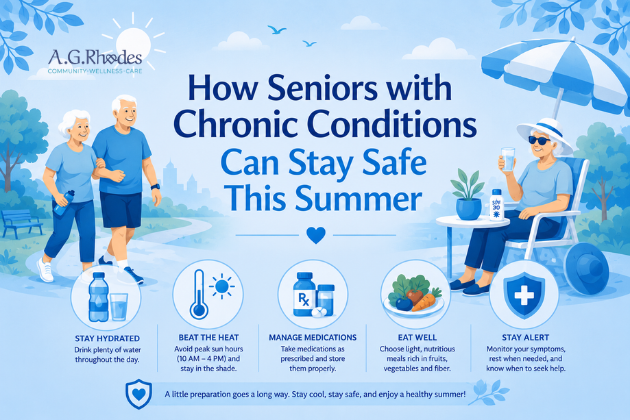
 Hot summer temperatures can pose serious health risks for older adults, especially those living with heart disease, diabetes, respiratory conditions, kidney disease, or mobility limitations. Staying hydrated, managing medications properly, avoiding extreme heat, monitoring symptoms, and having access to professional senior care services can significantly reduce the risk of heat-related illness and hospitalization.
Summer heat can be dangerous for seniors because aging bodies regulate temperature less effectively. Chronic conditions such as heart disease, diabetes, COPD, kidney disease, and stroke-related impairments increase the risk of dehydration, heat exhaustion, heat stroke, and medical emergencies. By following a proactive summer safety plan and utilizing trusted senior care services when needed, older adults can stay healthier, safer, and more comfortable throughout the season.
Why Summer Heat Is More Dangerous for Older Adults
As temperatures rise across Georgia, many families focus on outdoor activities and vacations. However, for seniors living with chronic medical conditions, summer presents unique health challenges that can quickly become serious.
According to healthcare experts, adults over age 65 are at greater risk for heat-related illnesses because:
- The body becomes less efficient at regulating temperature with age.
- Thirst sensations may diminish, increasing dehydration risk.
- Chronic health conditions can worsen in extreme heat.
- Certain medications affect hydration and temperature regulation.
- Mobility limitations may make it difficult to seek cooler environments.
For families caring for aging loved ones, understanding these risks is essential to preventing avoidable hospitalizations during the hottest months of the year.
How Heart Disease Increases Summer Health Risks
Heart disease remains one of the most common chronic conditions among older adults.
When temperatures rise, the heart must work harder to circulate blood and cool the body. This additional strain can create complications for seniors with:
- Congestive heart failure
- Coronary artery disease
- Arrhythmias
- High blood pressure
Warning Signs to Watch For
- Shortness of breath
- Dizziness or fainting
- Rapid heartbeat
- Chest discomfort
- Unusual fatigue
- Swelling in the legs or feet
Families should encourage loved ones to remain in air-conditioned environments during peak afternoon heat and stay in close communication with healthcare providers regarding any concerning symptoms.
Diabetes and Summer Heat: A Hidden Risk
Many people do not realize that diabetes can significantly increase heat sensitivity.
High temperatures can affect blood sugar control, increase dehydration, and reduce circulation. Additionally, diabetic neuropathy may prevent seniors from recognizing early signs of overheating.
Summer Safety Tips for Seniors with Diabetes
- Check blood glucose levels more frequently.
- Drink water consistently throughout the day.
- Store insulin according to manufacturer guidelines.
- Wear lightweight, breathable clothing.
- Avoid strenuous outdoor activities during peak heat hours.
- Monitor feet daily for sores or injuries.
Proper hydration is especially important because dehydration can cause blood sugar levels to become more difficult to manage.
Other Chronic Conditions That Require Extra Summer Precautions
Chronic Obstructive Pulmonary Disease (COPD)
Hot, humid air can make breathing more difficult for seniors with respiratory conditions.
Precautions include:
- Monitoring air quality reports
- Staying indoors on high humidity days
- Using prescribed oxygen therapy as directed
- Avoiding outdoor exertion
Kidney Disease
Kidneys help regulate fluid balance. Excessive sweating can place added stress on kidney function and increase dehydration risks.
Stroke Recovery
Many seniors recovering from a stroke experience mobility limitations, reduced sensation, or communication difficulties that can make heat-related emergencies harder to recognize and report.
Dementia and Alzheimer’s Disease
Individuals living with cognitive impairment may forget to drink fluids, dress appropriately, or recognize dangerous heat exposure.
For these individuals, consistent supervision and structured daily routines become even more important during summer months.
Summer Safety Checklist for Seniors with Chronic Conditions
| Safety Measure | Why It Matters |
| Drink water regularly | Prevents dehydration and heat illness |
| Stay in air-conditioned environments | Reduces heat exposure |
| Review medications with healthcare providers | Some medications affect hydration and temperature regulation |
| Avoid outdoor activity between 10 a.m. and 4 p.m. | Limits exposure to peak heat |
| Wear lightweight clothing | Improves body cooling |
| Monitor chronic condition symptoms | Helps identify complications early |
| Maintain regular medical appointments | Supports proactive health management |
| Have emergency contacts readily available | Ensures rapid response if needed |
Unique Summer Risk Many Families Overlook: Medication-Heat Interactions
One of the most overlooked summer health concerns involves the interaction between medications and high temperatures.
Many medications commonly prescribed to older adults can increase vulnerability to heat-related complications, including:
- Diuretics
- Blood pressure medications
- Certain antidepressants
- Antihistamines
- Some heart medications
These medications may affect sweating, hydration levels, electrolyte balance, or blood flow.
Families should discuss seasonal safety precautions with healthcare providers rather than making medication changes independently.
This proactive step often helps prevent emergency room visits during periods of extreme heat.
How Professional Senior Care Services Support Summer Safety
For many families, balancing work, caregiving responsibilities, and personal obligations can become overwhelming—especially during periods of increased medical risk.
Professional senior care services provide valuable support by helping seniors:
- Stay hydrated throughout the day
- Monitor chronic health conditions
- Manage medications appropriately
- Reduce fall risks
- Access prompt medical attention when needed
- Maintain social engagement and emotional well-being
Families often find that trusted senior care services offer peace of mind, knowing their loved one receives consistent supervision and compassionate support.
When health needs become more complex following surgery, illness, hospitalization, or a fall, specialized senior care services can provide an added layer of protection during recovery.
Signs a Senior May Need Additional Care This Summer
Families should consider additional support if a loved one is experiencing:
- Frequent dehydration
- Multiple chronic conditions
- Recent hospitalization
- Recovery from surgery
- Stroke rehabilitation needs
- Increased falls
- Medication management challenges
- Caregiver burnout within the family
- Difficulty living safely alone
Recognizing these signs early can help prevent medical setbacks and improve quality of life.
Why Rehabilitation and Skilled Nursing Matter After a Summer Health Event
Heat-related illness can be particularly difficult for seniors recovering from surgery, a stroke, cardiac events, or other medical conditions.
Following hospitalization, many older adults benefit from:
- Skilled nursing care
- Physical therapy
- Occupational therapy
- Speech therapy
- Medication management
- Clinical monitoring
A structured rehabilitation environment can help seniors regain strength, restore independence, and safely transition back home.
Stay Safe This Summer with Expert Rehabilitation Support
If your loved one is recovering from surgery, a stroke, hospitalization, or another medical event, summer heat can create additional challenges that require close monitoring and expert care.
A.G. Rhodes provides compassionate short-term rehabilitation services designed to help seniors regain strength, recover safely, and return home with confidence. With skilled nursing, therapy services, personalized care plans, and a commitment to dignity-centered care, A.G. Rhodes helps families navigate recovery with greater peace of mind.
Contact A.G. Rhodes today to learn how our short-term rehabilitation services can support your loved one’s recovery and well-being this summer.
Frequently Asked Questions
What temperature is too hot for seniors with heart disease?
Temperatures above 90°F can increase cardiovascular strain and raise the risk of heat-related illness in seniors with heart disease.
Can heat affect blood sugar levels in older adults with diabetes?
Yes, heat can contribute to dehydration and blood sugar fluctuations, making diabetes management more challenging.
How much water should seniors drink during hot weather?
Most seniors should increase fluid intake during hot weather, but those with heart or kidney conditions should follow their physician’s recommendations.
What are early signs of heat exhaustion in seniors?
Common symptoms include dizziness, weakness, excessive sweating, headache, nausea, and confusion.
When should families consider professional senior care services?
Families should consider professional support when a senior experiences safety concerns, chronic condition complications, recovery needs, or caregiver burnout.