

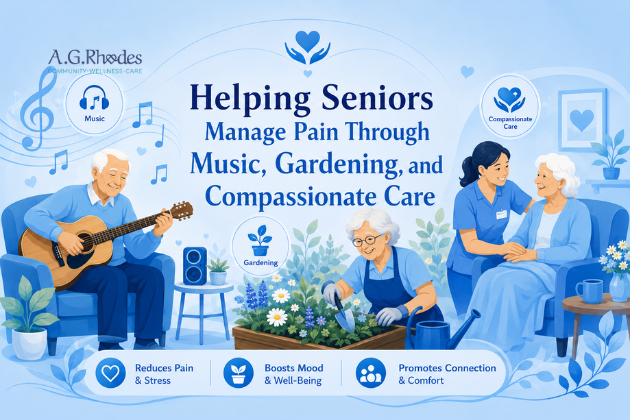
 Pain management for older adults extends beyond medication. Evidence-based approaches such as music therapy, horticultural therapy, and compassionate, person-centered senior care can help reduce discomfort, improve mood, encourage movement, and enhance quality of life. When combined with professional rehabilitation and skilled nursing support, these therapies offer a holistic path to healing and well-being.
How Music, Gardening, and Compassionate Care Help Seniors Manage Pain Naturally
Seniors can manage pain more effectively through a combination of music therapy, horticultural therapy, and compassionate senior care. These non-pharmacological approaches help reduce stress, improve mobility, stimulate positive emotions, and promote overall wellness while supporting traditional medical treatments and rehabilitation programs.
Why Pain Management Requires More Than Medication
Many older adults experience chronic pain related to arthritis, surgery recovery, stroke rehabilitation, neuropathy, musculoskeletal conditions, or other age-related health concerns. While medication often plays an important role in treatment, families and healthcare professionals increasingly recognize the value of complementary therapies that address both physical and emotional well-being.
Pain is not solely a physical experience. Anxiety, loneliness, depression, and inactivity can intensify discomfort. Effective pain management, therefore, requires a comprehensive approach that supports the whole person.
This is where music therapy, horticultural therapy, and compassionate senior care can make a meaningful difference.
The Healing Power of Music Therapy
How Music Therapy Supports Pain Relief
Music therapy uses carefully selected music interventions guided by trained professionals to improve physical, emotional, and cognitive health outcomes.
Research has shown that music can:
- Reduce the perception of pain
- Lower stress hormone levels
- Promote relaxation
- Improve sleep quality
- Enhance mood and emotional resilience
- Encourage participation in rehabilitation exercises
For seniors recovering from surgery, stroke, or illness, listening to familiar songs can create positive emotional connections that distract from discomfort and reduce anxiety.
Unique Benefits for Rehabilitation Patients
One often-overlooked benefit of music therapy is its ability to improve therapy participation. Seniors who feel motivated and emotionally engaged are more likely to:
- Complete rehabilitation exercises
- Participate in group activities
- Maintain a positive outlook
- Stay committed to recovery goals
This can be particularly valuable during short-term rehabilitation following hospitalization or surgery.
How Horticultural Therapy Helps Seniors Feel Better
What Is Horticultural Therapy?
Horticultural therapy is a structured therapeutic practice that uses gardening and plant-based activities to improve physical, emotional, and cognitive well-being.
Unlike casual gardening, therapeutic gardening activities are designed to support specific health goals under professional guidance.
How Gardening Can Reduce Pain
Horticultural therapy offers several pain-management benefits:
| Benefit | How It Helps Seniors |
| Gentle Physical Activity | Improves flexibility, strength, and mobility |
| Stress Reduction | Lowers anxiety and tension that can worsen pain |
| Sensory Stimulation | Engages sight, touch, smell, and memory |
| Emotional Wellness | Creates a sense of accomplishment and purpose |
| Social Engagement | Reduces isolation and loneliness |
The simple act of planting flowers, caring for herbs, or spending time in therapeutic gardens can encourage movement without making exercise feel intimidating.
A Natural Way to Promote Recovery
For seniors recovering from surgery or illness, horticultural therapy provides opportunities to:
- Practice fine motor skills
- Improve hand-eye coordination
- Build confidence
- Increase outdoor engagement
- Foster a sense of independence
These benefits contribute to overall wellness while supporting pain management goals.
Why Compassionate Senior Care Matters in Pain Management
The Human Connection Behind Healing
While therapies and treatments are important, compassionate senior care remains one of the most powerful tools for helping older adults manage pain.
Research consistently shows that emotional support can influence how individuals experience discomfort. Seniors who feel heard, respected, and cared for often report better overall well-being.
Compassionate caregivers help by:
- Monitoring changes in pain levels
- Encouraging participation in therapy
- Providing emotional reassurance
- Supporting safe mobility
- Communicating with families and healthcare providers
Reducing Anxiety and Emotional Distress
Many families worry that a loved one’s pain may worsen after hospitalization, surgery, or a significant health event. Quality Senior Care helps address these concerns by creating a safe, structured environment where residents receive personalized attention and support.
This approach can reduce the following:
- Fear of falling
- Social isolation
- Depression
- Anxiety related to recovery
- Feelings of helplessness
Combining Therapies for Better Outcomes
The most effective pain management plans often integrate multiple approaches rather than relying on a single solution.
A Holistic Pain Management Strategy
A comprehensive senior care plan may include:
Clinical Support
- Skilled nursing oversight
- Physician-directed treatment plans
- Medication management
- Physical therapy
- Occupational therapy
Therapeutic Activities
- Music Therapy
- Horticultural Therapy
- Recreational programming
- Social engagement opportunities
Emotional Support
- Compassionate caregiving
- Family communication
- Personalized care plans
- Dignity-focused services
By addressing physical, emotional, social, and cognitive health together, seniors often experience improved comfort and quality of life.
Signs Your Loved One May Benefit From Additional Pain Management Support
Families should consider professional rehabilitation or skilled nursing services when a loved one experiences:
- Increased pain after surgery
- Reduced mobility
- Difficulty managing medications
- Frequent falls
- Stroke recovery challenges
- Social withdrawal
- Caregiver burnout at home
- Declining ability to perform daily activities
Early intervention can help prevent complications and support a smoother recovery process.
The A.G. Rhodes Difference
At A.G. Rhodes, pain management extends beyond traditional medical treatment. Through compassionate, person-centered senior care, residents and rehabilitation patients benefit from a holistic environment that supports healing, dignity, and quality of life.
Programs that incorporate therapeutic activities such as music therapy and horticultural therapy can help residents stay engaged, maintain emotional wellness, and participate more fully in their recovery journey.
Whether recovering from surgery, a stroke, or another medical event, seniors deserve care that addresses both physical and emotional needs.
Get Expert Short-Term Rehabilitation Support
If your loved one is preparing for surgery, recovering from a hospital stay, healing after a fall, or working through stroke recovery, A.G. Rhodes’ short-term rehabilitation services provide the skilled care and compassionate support needed for a successful recovery.
Contact A.G. Rhodes today to learn how our rehabilitation team can help your loved one regain strength, independence, and confidence in a safe, supportive environment.
Frequently Asked Questions
Does music therapy help seniors manage pain?
Yes. Music therapy can help reduce stress, improve mood, promote relaxation, and decrease the perception of pain.
What is horticultural therapy?
Horticultural therapy is a therapeutic approach that uses gardening and plant-based activities to improve physical, emotional, and cognitive health.
Can non-drug therapies replace pain medication?
Non-drug therapies typically complement medical treatment plans rather than replace prescribed medications.
Who benefits most from these therapies?
Seniors recovering from surgery, stroke, illness, chronic pain conditions, or mobility challenges may benefit significantly.
Why is compassionate senior care important for pain management?
Compassionate senior care supports emotional well-being, reduces anxiety, encourages rehabilitation participation, and improves overall quality of life.