

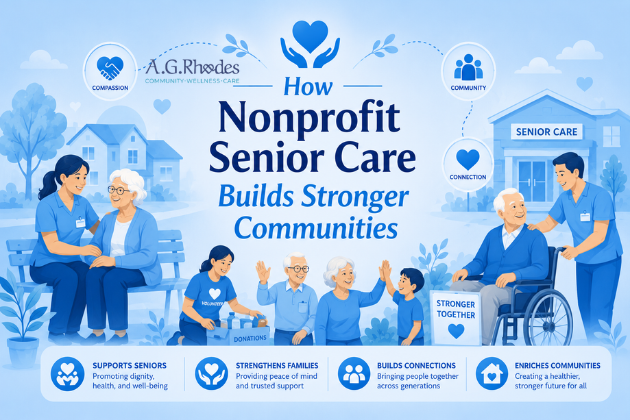
 Nonprofit Senior Care strengthens communities by providing compassionate, mission-driven services that prioritize older adults over profits. These organizations improve health outcomes, reduce caregiver stress, encourage volunteerism, and create meaningful partnerships that help seniors remain connected, independent, and engaged.
Nonprofit senior care organizations play a vital role in building healthier, more connected communities by delivering person-centered services, investing resources back into care, supporting family caregivers, and creating opportunities for volunteerism and community partnerships. Their mission-first approach helps older adults maintain independence while improving quality of life for everyone involved.
Why Nonprofit Senior Care Matters More Than Ever
The growing senior population is reshaping healthcare and community services across the United States. As people live longer, the demand for high-quality long-term care, rehabilitation, memory care, and supportive services continues to increase.
Rather than focusing primarily on financial returns, nonprofit senior care providers reinvest their resources into improving resident care, expanding programs, enhancing staff education, upgrading facilities, and supporting community outreach initiatives.
Their mission extends beyond treating illness—they focus on helping older adults live with dignity, purpose, and meaningful social connections.
Communities benefit because healthier seniors often require fewer emergency interventions, remain socially engaged longer, and contribute valuable experience through mentoring, volunteering, and civic participation.
The Community Benefits of Nonprofit Senior Care
1. A Mission-First Approach to Care
One of the defining characteristics of nonprofit organizations is their commitment to serving people rather than maximizing shareholder profits.
This mission-driven philosophy often results in:
- Personalized care planning
- Higher investment in staff education
- Expanded wellness programs
- Greater focus on resident satisfaction
- More community outreach initiatives
- Continuous quality improvement
Rather than viewing residents simply as patients, nonprofit providers focus on supporting the whole person—physically, emotionally, socially, and spiritually.
2. Strengthening Families and Caregivers
Senior care affects far more people than the individual receiving services.
Family caregivers often balance:
- Full-time employment
- Parenting responsibilities
- Medical appointments
- Financial concerns
- Emotional stress
Nonprofit providers frequently offer educational resources, caregiver support groups, respite care, and care coordination that reduce burnout and improve family well-being.
When caregivers receive adequate support, they are better equipped to maintain healthier relationships while reducing stress-related health risks.
3. Investing Back into Local Communities
Unlike organizations distributing profits to investors, nonprofit providers typically reinvest surplus revenue into programs that directly benefit residents and surrounding communities.
Examples include:
- Memory care improvements
- Therapy equipment upgrades
- Resident enrichment activities
- Community wellness education
- Transportation assistance
- Staff development
- Technology improvements
- Facility modernization
These reinvestments create a continuous cycle of improvement that benefits both current and future generations.
How Nonprofit Senior Care Encourages Social Connection
Social isolation remains one of the greatest health risks facing older adults.
Research consistently associates loneliness with increased risks of:
- Depression
- Cognitive decline
- Heart disease
- Falls
- Hospitalizations
- Reduced life satisfaction
Mission-driven senior communities actively create opportunities for connection through:
- Diverse group activities and outings
- Art, horticultural and music programs
- Educational workshops
- Community celebrations
- Volunteer activities
- Intergenerational events
- Faith-based services
- Resident leadership councils
These experiences foster purpose while helping seniors remain active members of the community.
Community Partnerships Multiply the Impact
Strong nonprofit organizations rarely work alone.
Instead, they build partnerships with:
| Community Partner | Community Benefit |
| Hospitals | Better care coordination |
| Physicians | Improved continuity of care |
| Universities | Research and clinical education |
| Local schools | Intergenerational learning |
| Faith organizations | Spiritual support and volunteer programs |
| Businesses | Community sponsorships |
| Volunteer groups | Expanded resident engagement |
| Public agencies | Access to health and social services |
These partnerships create a broader network of support that extends well beyond a senior living campus.
Workforce Development Strengthens Local Economies
One overlooked benefit of nonprofit senior care is its contribution to workforce development.
High-quality providers invest in:
- Clinical education
- Leadership development
- Continuing education
- Employee wellness
- Career advancement
- Professional certifications
This investment produces a more skilled healthcare workforce while helping retain experienced caregivers within local communities.
Communities ultimately benefit from greater healthcare capacity and improved quality of care.
Measuring Community Impact Beyond Financial Performance
Traditional business success often focuses on revenue and profitability.
Mission-driven organizations measure success differently.
Common indicators include:
- Resident satisfaction
- Family satisfaction
- Hospital readmission rates
- Rehabilitation outcomes
- Staff retention
- Volunteer participation
- Community engagement
- Quality-of-life improvements
These measures better reflect the real value created for residents and communities.
Nonprofit vs. For-Profit Senior Care
| Feature | Nonprofit | For-Profit |
| Primary Goal | Mission and community impact | Financial return |
| Revenue Use | Reinvested into care and services | May be distributed to investors |
| Community Outreach | Often extensive | Varies by organization |
| Volunteer Programs | Common | Less common |
| Educational Partnerships | Frequently emphasized | Varies |
| Resident Programming | Often expanded through reinvestment | Depends on budget priorities |
While both nonprofit and for-profit organizations can provide quality care, nonprofit providers often emphasize long-term community benefit alongside resident outcomes.
Choosing the Right Senior Care Provider
When evaluating senior care options, families should look beyond pricing alone.
Consider questions such as:
- What is the organization’s mission?
- How are excess funds reinvested?
- What wellness programs are available?
- How does the provider support families?
- Are residents socially engaged?
- What rehabilitation services are offered?
- How does the organization measure quality?
- What community partnerships exist?
These questions help families identify providers aligned with their values and long-term care goals.
Why A.G. Rhodes Makes a Difference
For more than a century, A.G. Rhodes has demonstrated how a nonprofit mission can positively influence both residents and the broader community. By focusing on person-centered care, clinical excellence, rehabilitation, memory support, and innovation, A.G. Rhodes continues to invest in programs that enhance quality of life while strengthening the communities it serves.
Families seeking compassionate care benefit from an organization whose priorities extend beyond treatment to include dignity, independence, and meaningful human connection.
Take the Next Step with A.G. Rhodes
Choosing senior care is one of the most important decisions a family can make.
If you’re exploring long-term care, rehabilitation, memory care, or short-term recovery services, connect with the experienced team at A.G. Rhodes to learn how its nonprofit mission supports exceptional care and stronger communities.
Contact A.G. Rhodes today to schedule a tour, speak with a care advisor, and discover how mission-driven senior care can make a lasting difference for your loved one.
Frequently Asked Questions
What is nonprofit senior care?
Nonprofit senior care is a mission-driven model of senior services where revenue is reinvested into resident care, staff, facilities, and community programs rather than distributed to shareholders.
How does nonprofit senior care benefit communities?
It strengthens communities through improved healthcare access, caregiver support, volunteer opportunities, education, and investments that enhance resident well-being.
Is nonprofit senior care different from for-profit care?
Yes. While both can provide quality services, nonprofit organizations prioritize community benefit and reinvest earnings into improving care and resident services.
Why are community partnerships important in senior care?
Partnerships improve care coordination, expand available resources, increase educational opportunities, and strengthen local support networks for older adults.
How can families choose the best senior care provider?
Families should evaluate mission, quality ratings, rehabilitation services, staff expertise, resident engagement, caregiver support, and community involvement alongside cost.