

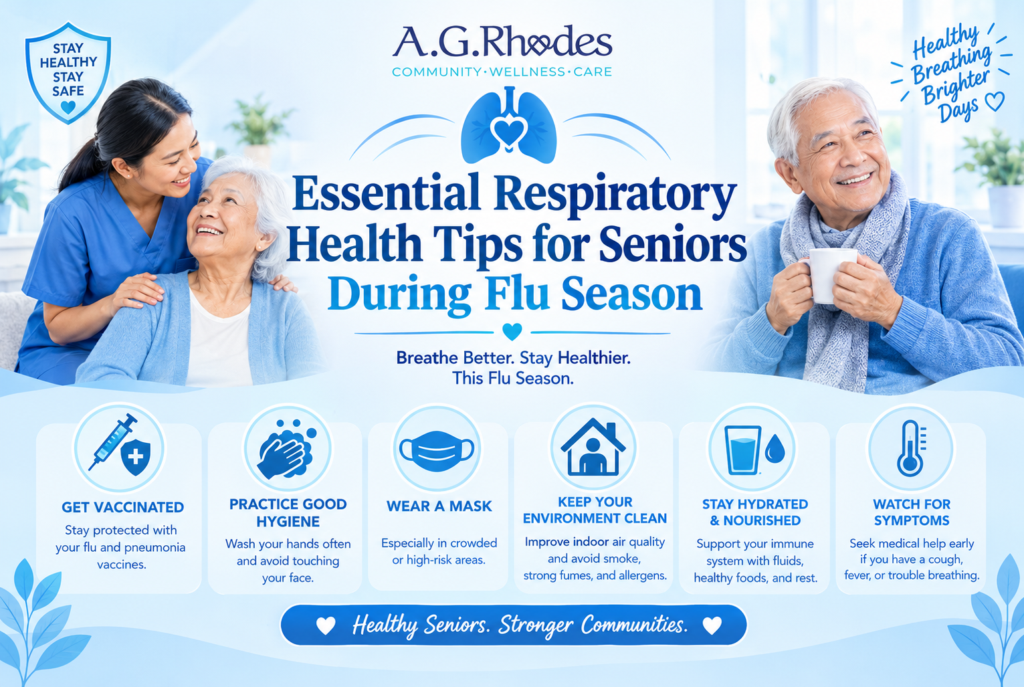
 Respiratory health is essential to healthy aging, particularly during cold and flu season. As we grow older, changes in the immune system and the presence of chronic health conditions can increase the risk of developing complications from respiratory infections. What may begin as a mild cold or cough can sometimes progress into a more serious illness, making prevention, early recognition, and appropriate recovery care especially important for seniors.
By understanding how respiratory infections affect older adults, caregivers and loved ones can take practical steps to protect lung health, reduce exposure to seasonal viruses, and support a safer recovery when illness occurs. From maintaining healthy daily habits to recognizing warning signs that require medical attention, a proactive approach can help seniors preserve their well-being throughout the colder months and beyond.
Why Respiratory Health Is Important for Seniors During Flu Season
Respiratory health refers to the proper functioning of the lungs, airways, and other structures involved in breathing. These systems deliver oxygen throughout the body and remove carbon dioxide, supporting the heart, brain, muscles, and other vital organs.
As we age, several changes can affect respiratory health. The muscles involved in breathing may become weaker, lung elasticity can decrease, and the immune system may become less effective at responding to infections. These changes do not mean every older adult will experience respiratory problems, but they can increase vulnerability to illnesses such as influenza, pneumonia, bronchitis, and other respiratory infections.
Seniors living with chronic conditions may face additional risks. Heart disease, asthma, chronic obstructive pulmonary disease (COPD), diabetes, and other long-term health concerns can complicate recovery from respiratory illnesses. A respiratory infection may also aggravate an existing condition, increasing the need for medical monitoring and treatment.
Influenza deserves particular attention because older adults are at increased risk of severe complications, including pneumonia, hospitalization, and worsening of underlying medical conditions. Recognizing these risks allows us to prioritize prevention, seek timely medical advice, and support respiratory wellness throughout flu season.
1. Stay Up to Date on Recommended Vaccinations
Vaccination is one of the most important ways seniors can reduce their risk of severe respiratory illness. Seasonal influenza vaccines help protect against circulating flu viruses and reduce the likelihood of serious complications. Although vaccination does not eliminate the possibility of infection, it can lower the risk of severe outcomes.
Older adults should discuss the most appropriate influenza vaccine with their healthcare professional, particularly if they have chronic health conditions or a history of vaccine reactions.
Other vaccinations may also help protect respiratory health. Depending on age, medical history, vaccination history, and local recommendations, seniors may benefit from vaccines against COVID-19, pneumococcal disease, and respiratory syncytial virus (RSV).
Because recommendations can change, seniors and caregivers should review vaccination needs with a healthcare professional rather than relying on outdated information or assuming that one vaccine protects against every respiratory infection.
Vaccination works best as part of a broader prevention strategy that includes good hand hygiene, adequate ventilation, avoiding close contact with people who are sick, and seeking medical advice promptly when symptoms develop.
2. Practice Good Hand Hygiene to Reduce the Spread of Infection
Respiratory viruses can spread through particles released when infected people cough, sneeze, speak, or breathe. Some viruses can also spread when contaminated hands touch the eyes, nose, or mouth.
Consistent hand hygiene is a simple way to reduce the risk of infection. Seniors and caregivers should wash their hands thoroughly with soap and running water, particularly before eating or preparing food, after using the restroom, after coughing or sneezing, and after returning home from public places.
When soap and water are unavailable, an alcohol-based hand sanitizer can be a practical alternative.
We should also avoid touching the face with unwashed hands and clean frequently touched surfaces when appropriate. Door handles, phones, remote controls, and shared household items may require regular cleaning, especially when someone in the household is ill.
Caregivers, family members, and visitors play an important role in protecting seniors. Anyone experiencing fever, cough, sore throat, or other signs of a respiratory infection should avoid close contact when possible. If contact is necessary, additional precautions, including a well-fitting mask and good ventilation, can help reduce transmission risk.
3. Support Respiratory Health With Proper Hydration
Adequate hydration helps maintain normal body functions and keeps the mouth and throat moist. Drinking enough fluids can also help loosen mucus, making it easier to clear respiratory secretions during a cold or other respiratory illness.
Older adults may be more vulnerable to dehydration because the sensation of thirst can diminish with age. Certain medications and medical conditions can also affect fluid balance.
Seniors can support healthy hydration by drinking water regularly throughout the day and including appropriate fluids such as warm broth or caffeine-free beverages. Soups can be particularly comforting when congestion, sore throat, or reduced appetite makes regular meals less appealing.
However, seniors with heart failure, advanced kidney disease, or other conditions requiring fluid restrictions should follow their healthcare professional’s recommendations. Increasing fluid intake without medical guidance may be inappropriate for some individuals.
During illness, we should monitor for possible signs of dehydration, including unusually dark urine, reduced urination, dry mouth, dizziness, and increased weakness. Persistent symptoms warrant medical advice, especially when accompanied by fever, vomiting, or difficulty maintaining adequate fluid intake.
4. Maintain a Balanced Diet to Support Immune Function
Good nutrition supports normal immune function and provides the energy needed for recovery. During flu season, seniors should aim to eat balanced meals that include vegetables, fruits, whole grains, lean proteins, and other nutrient-rich foods suited to their individual needs.
Protein is especially important because it helps maintain muscle mass and supports tissue repair. Eggs, fish, poultry, beans, lentils, yogurt, and other protein sources can contribute to a balanced diet.
Fruits and vegetables provide vitamins, minerals, and other nutrients involved in normal immune function. Foods such as citrus fruits, berries, leafy greens, carrots, and peppers can help increase dietary variety.
When illness reduces appetite, smaller meals and nutritious snacks may be easier to manage than three large meals. Soft foods, soups, and other easy-to-eat options may be useful when a sore throat or fatigue makes eating uncomfortable.
We should avoid assuming that high-dose vitamins or dietary supplements will prevent or cure respiratory infections. Supplements may be appropriate when a deficiency or specific medical need exists, but they can interact with medications and may cause harm when taken unnecessarily. Seniors should consult a healthcare professional before beginning new supplements.
5. Keep Indoor Air Clean and Comfortable
Indoor air quality can influence respiratory comfort, particularly for seniors with asthma, COPD, allergies, or other lung conditions.
During flu season, improving ventilation can help reduce the concentration of airborne respiratory particles. When weather and outdoor air quality permit, opening windows can increase fresh-air circulation. Properly maintained ventilation systems and appropriately sized portable air cleaners with HEPA filtration may also help reduce airborne particles.
We should avoid indoor smoke and other respiratory irritants. Cigarette smoke, vaping aerosols, strong fragrances, cleaning-product fumes, and excessive dust can aggravate sensitive airways.
Indoor humidity should remain at a comfortable level. Very dry air may irritate the nose and throat, while excessive humidity can encourage mold growth and dust mites. If a humidifier is used, it should be cleaned and maintained according to the manufacturer’s instructions to prevent microbial contamination.
Seniors with chronic respiratory conditions should follow their clinician’s recommendations for managing indoor triggers. Maintaining a clean, comfortable environment can support breathing comfort, although it cannot replace vaccination or medical treatment.
6. Get Adequate Rest and Allow Time for Recovery
Rest is an important part of recovering from respiratory infections. Fatigue can persist after the fever and other symptoms begin to improve, and attempting to resume normal activities too quickly may make recovery more difficult.
During illness, seniors should prioritize sleep, reduce strenuous activities, and allow their energy levels to guide their return to everyday routines. Keeping a comfortable sleep environment and following a consistent bedtime schedule may help support restorative sleep.
Coughing and congestion can sometimes interfere with sleep. Resting with the head and upper body slightly elevated may provide relief for some people. Saline nasal sprays may help ease nasal dryness or congestion when used as directed.
We should avoid treating persistent fatigue as an inevitable part of aging. Severe weakness, confusion, worsening shortness of breath, or a sudden decline in the ability to perform everyday activities can signal a more serious problem and should prompt medical evaluation.
Recovery should be gradual. Once symptoms improve and normal activities become manageable, seniors can increase activity levels as tolerated while continuing to monitor for returning or worsening symptoms.
7. Recognize Cold and Flu Symptoms Early
Early recognition of respiratory symptoms can help seniors obtain appropriate care before complications develop.
Common cold symptoms often include a runny or stuffy nose, sneezing, sore throat, and cough. Influenza may develop more suddenly and can cause fever or chills, muscle aches, headache, fatigue, cough, and sore throat. However, symptoms vary, and some older adults with influenza may not develop a noticeable fever.
COVID-19 and other respiratory infections can produce similar symptoms, making it difficult to determine the cause based on symptoms alone.
We should pay attention to new or unusual symptoms, particularly when they appear suddenly or interfere with normal activities. Seniors with suspected influenza or COVID-19 should contact a healthcare professional promptly, especially if they have underlying medical conditions.
Testing may help identify the infection and guide treatment. Antiviral medications for influenza and COVID-19 can be beneficial for eligible patients, but they generally need to be started early. Because older adults have a higher risk of complications, it is important not to delay seeking medical advice while waiting to see whether symptoms resolve independently.
8. Know When to Seek Medical Attention
Although many respiratory infections improve with time and supportive care, seniors should not ignore symptoms that are severe, persistent, or getting worse.
Seek emergency medical attention for warning signs such as:
- Difficulty breathing or severe shortness of breath.
- Persistent chest pain or pressure.
- New confusion, inability to remain alert, or fainting.
- Bluish, gray, or pale discoloration of the lips, nail beds, or skin.
- Severe weakness or inability to carry out basic activities.
- Signs of a medical emergency, regardless of whether a fever is present.
Other symptoms also warrant prompt medical advice, including a fever that persists or returns, worsening cough, dehydration, symptoms that improve and then become worse, or a noticeable deterioration in an existing heart or lung condition.
Older adults may develop serious infections without the typical symptoms seen in younger people. A sudden change in alertness, appetite, mobility, or daily functioning can be an important warning sign.
We should not wait for symptoms to become severe before contacting a healthcare professional. Early evaluation may help identify complications and determine whether prescription treatment or additional monitoring is necessary.
9. Manage Chronic Conditions During Respiratory Illness
For seniors living with chronic conditions, managing existing health concerns is an important part of respiratory care.
People with asthma or COPD should follow their prescribed treatment plans and use maintenance inhalers or rescue medications as directed. They should not discontinue prescribed medication simply because they develop a cold or flu.
Individuals with heart disease or diabetes may need additional monitoring during an illness. Fever, reduced food intake, dehydration, and changes in activity can affect blood glucose levels, blood pressure, and medication needs.
We should keep an updated list of medications, dosages, allergies, and relevant medical conditions. Having this information available can help healthcare professionals make informed treatment decisions.
Seniors should consult their clinician or pharmacist before taking over-the-counter cold and flu products. Some decongestants can raise blood pressure or affect heart rate, while combination medications may contain ingredients that interact with existing prescriptions. Certain cough and cold medicines may also cause drowsiness, dizziness, or confusion, increasing the risk of falls.
Medication choices should account for kidney and liver function, other medical conditions, and all current prescriptions. A healthcare professional can recommend appropriate options based on the individual’s circumstances.
10. Return to Physical Activity Gradually
Movement supports mobility, muscle strength, balance, and overall well-being. However, strenuous exercise is generally inappropriate during an acute respiratory illness, particularly when fever, significant fatigue, chest symptoms, or shortness of breath are present.
During the early stages of recovery, seniors should prioritize rest and basic daily activities as tolerated. Once symptoms are improving and energy begins to return, gentle movement may help restore normal routines.
Short walks around the home, light stretching, and other low-intensity activities can be reasonable starting points for people who are recovering without complications. Activity should increase gradually rather than returning immediately to previous exercise levels.
We should stop activity and seek medical advice if it causes chest discomfort, unusual breathlessness, dizziness, palpitations, or disproportionate fatigue.
People recovering from pneumonia, severe influenza, or another significant respiratory illness may need an individualized rehabilitation plan. A healthcare professional can help determine when it is appropriate to resume exercise and whether additional respiratory or physical therapy is needed.
11. Reduce Exposure to Respiratory Viruses in Everyday Life
Prevention requires attention to daily routines as well as personal health habits.
During periods of increased respiratory virus activity, seniors can reduce exposure by avoiding close contact with people who are sick, improving ventilation in indoor spaces, and considering a well-fitting mask in crowded or poorly ventilated settings.
Family members and caregivers should remain mindful of the risks of exposing vulnerable older adults to respiratory infections. People who are unwell should postpone nonessential visits when possible and follow appropriate precautions if contact is necessary.
When attending medical appointments or community activities, seniors can ask about available infection-prevention measures and choose settings that support good ventilation.
It is also helpful to maintain a plan for obtaining medical advice, prescriptions, groceries, and other essentials if illness makes it difficult to leave home. Preparing in advance can reduce stress and help seniors access care promptly.
These measures are particularly valuable for individuals with weakened immune systems or significant underlying medical conditions.
12. Create a Practical Cold and Flu Recovery Plan
A simple recovery plan can help seniors and caregivers respond to illness in an organized way.
Before flu season begins, we should review vaccination needs, confirm that prescription medications are available, and identify the appropriate healthcare provider to contact if symptoms develop.
Useful supplies may include a thermometer, tissues, hand sanitizer, drinking water, easy-to-prepare nutritious foods, and any clinician-recommended medications or monitoring equipment. Seniors who use pulse oximeters or other home-monitoring devices should understand their limitations and follow professional guidance about interpreting readings.
Once symptoms begin, it is important to record when they started, monitor changes, maintain hydration within any prescribed limits, and obtain timely medical advice. Seniors at increased risk should contact their healthcare professional early rather than waiting for symptoms to worsen.
Caregivers can help by checking in regularly, assisting with meals and medications, watching for changes in breathing or alertness, and arranging medical care when necessary.
The goal is not simply to manage symptoms at home. A well-planned approach combines appropriate self-care, infection prevention, medical guidance, and early recognition of complications.
Prioritizing Respiratory Health for Seniors Throughout Flu Season
Protecting respiratory health during flu season is an important part of supporting healthy aging. Although older adults may face an increased risk of serious complications from influenza and other respiratory infections, practical preventive measures and timely medical care can make a meaningful difference.
By staying current on recommended vaccinations, practicing good hand hygiene, maintaining adequate nutrition and hydration, improving indoor air quality, and allowing sufficient time for rest, seniors can support their overall health during seasonal illness. Recognizing early symptoms, managing chronic conditions, and seeking prompt medical advice are equally important.
We should remember that recovery is not the same for everyone. Some seniors may improve within days, while others may experience fatigue or respiratory symptoms for longer periods. Persistent or worsening symptoms deserve medical attention, particularly in individuals with underlying health concerns.
With informed preparation, appropriate care, and support from family members, caregivers, and healthcare professionals, we can help seniors navigate cold and flu season with greater confidence while prioritizing comfort, safety, and long-term respiratory wellness.
At A.G. Rhodes, we understand the importance of protecting seniors’ respiratory health, especially during cold and flu season. Our compassionate team is committed to providing personalized care that prioritizes residents’ health, comfort, and well-being. Learn more about our nonprofit senior care services and how we help older adults receive the attentive support they deserve. Visit A.G. Rhodes to discover our communities and the difference compassionate, person-centered care can make.
Frequently Asked Questions About Respiratory Health for Seniors
Why is respiratory health especially important for seniors during flu season?
Respiratory health is especially important for seniors because aging can affect immune function and the body’s ability to fight infections. Older adults are at increased risk of complications from influenza, pneumonia, and other respiratory illnesses, particularly when they have chronic conditions such as heart disease, diabetes, or COPD. Preventive care, timely medical attention, and proper recovery support can help reduce these risks.
How can seniors protect their respiratory health during cold and flu season?
Seniors can protect their respiratory health by staying up to date on recommended vaccinations, washing their hands regularly, avoiding close contact with people who are sick, and maintaining good indoor air quality. Adequate hydration, balanced nutrition, sufficient rest, and proper management of chronic conditions also support overall health during flu season.
What are the common symptoms of respiratory infections in seniors?
Common symptoms include coughing, nasal congestion, a runny nose, sore throat, fatigue, muscle aches, and fever or chills. However, older adults may develop serious infections without a noticeable fever. New confusion, reduced appetite, unusual weakness, or a sudden decline in daily functioning may also indicate an illness that requires medical evaluation.
How can seniors recover safely from a cold or the flu?
Seniors can support recovery by getting adequate rest, drinking enough fluids within any medically prescribed limits, eating nutritious foods, and following their healthcare professional’s recommendations. Older adults at increased risk should contact a healthcare professional promptly when flu symptoms develop because antiviral treatment may be most effective when started early.
When should seniors seek medical attention for respiratory symptoms?
Seniors should contact a healthcare professional promptly if they experience worsening cough, persistent fever, dehydration, returning symptoms, or a deterioration in an existing medical condition. Difficulty breathing, persistent chest pain, new confusion, or bluish lips or skin require emergency medical attention. Early evaluation can help identify complications and determine the appropriate treatment.
Which vaccinations can help protect seniors from respiratory illnesses?
Depending on age, medical history, and current recommendations, seniors may benefit from seasonal influenza, COVID-19, pneumococcal, and respiratory syncytial virus (RSV) vaccinations. These vaccines help reduce the risk of specific infections or severe complications. Seniors should consult their healthcare professional about which vaccinations are appropriate for them.
How can caregivers help seniors maintain respiratory health?
Caregivers can help seniors maintain respiratory health by encouraging recommended vaccinations, supporting good hygiene, preparing nutritious meals, assisting with hydration, and keeping indoor spaces clean and well ventilated. They can also monitor symptoms, help manage medications as prescribed, and arrange timely medical care when signs of illness or complications appear.
How can senior care communities help protect residents during flu season?
Senior care communities can support residents through appropriate infection-prevention practices, hand hygiene, environmental cleaning, vaccination coordination, symptom monitoring, and communication with healthcare professionals. Following established protocols when respiratory illnesses occur can help reduce transmission and support timely care for residents who become ill.
Why is proper nutrition important for seniors recovering from respiratory illnesses?
Proper nutrition provides energy and essential nutrients that support normal immune function and tissue repair. A balanced diet containing protein, fruits, vegetables, and whole grains can help seniors maintain strength during recovery. When illness reduces appetite, smaller meals and nutrient-rich snacks may be easier to manage.
How does A.G. Rhodes support the health and well-being of seniors?
A.G. Rhodes is a nonprofit senior care provider serving the Atlanta metropolitan area. Its mission focuses on providing compassionate, person-centered care for older adults. Through its senior care communities and individualized support, A.G. Rhodes helps residents receive care that respects their needs, dignity, and well-being. Families can contact A.G. Rhodes to learn more about its services and approach to senior care.