

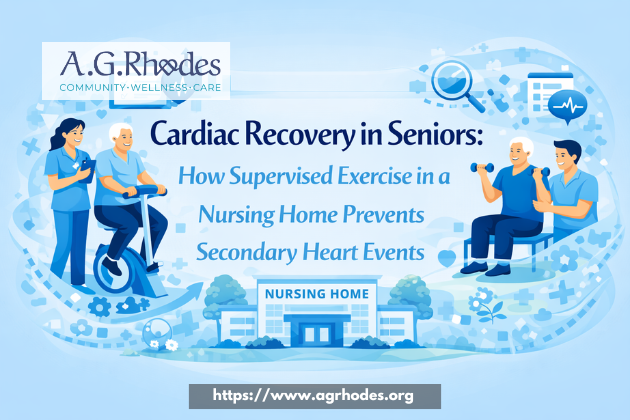
 Supervised exercise in nursing homes significantly reduces the risk of secondary heart events in seniors by improving cardiovascular strength, monitoring vital signs, and ensuring safe, structured rehabilitation. These approaches combine medical oversight with personalized fitness plans, leading to better outcomes, fewer hospital readmissions, and improved quality of life.
Supervised exercise in nursing homes helps prevent secondary heart events in seniors by providing medically guided physical activity, continuous monitoring, and individualized rehabilitation plans. This approach improves heart function, reduces complications, and promotes long-term cardiovascular health in a safe, controlled environment.
Why Cardiac Recovery Matters for Seniors
Cardiac events such as heart attacks or heart failure episodes are not isolated incidents—especially for older adults. Without structured recovery, seniors face a significantly higher risk of secondary events, including recurrent heart attacks, stroke, or hospitalization.
Key Risks Without Proper Recovery
- Reduced cardiovascular endurance
- Increased risk of blood clots
- Muscle atrophy and mobility decline
- Medication mismanagement
- Depression and reduced motivation
Supervised cardiac recovery in nursing homes, addressing these risks holistically, combining physical therapy, clinical oversight, and emotional support.
What Is Supervised Cardiac Exercise in a Nursing Home?
Supervised cardiac exercise is structured rehabilitation led by licensed professionals, including physical therapists, nurses, and physicians. It is specifically designed for seniors recovering from cardiac events.
Core Components
- Individualized exercise plans tailored to medical history
- Continuous monitoring of heart rate, blood pressure, and oxygen levels
- Progressive intensity adjustments based on recovery milestones
- Integrated care coordination with physicians and specialists
- Education on lifestyle changes, including diet and medication adherence
Unlike outpatient care, nursing home-based rehabilitation offers 24/7 clinical oversight, reducing the risk of complications during recovery.
How Supervised Exercise Prevents Secondary Heart Events
1. Improves Cardiovascular Efficiency
Regular, monitored exercise strengthens the heart muscle, allowing it to pump blood more efficiently. This reduces strain and lowers the likelihood of future cardiac events.
2. Enables Early Detection of Warning Signs
Clinical staff can identify subtle changes—such as irregular heart rhythms or abnormal blood pressure—before they escalate into emergencies.
3. Enhances Medication Effectiveness
Exercise improves circulation, which helps medications work more effectively while staff ensure proper adherence and dosing.
4. Reduces Inflammation and Risk Factors
Structured physical activity lowers inflammation, cholesterol levels, and blood sugar—key contributors to heart disease.
5. Builds Functional Strength and Independence
Improved mobility reduces sedentary behavior, which is strongly linked to cardiovascular decline.
Why Nursing Home-Based Rehab Outperforms At-Home Recovery
While many seniors attempt recovery at home, data and clinical experience suggest that supervised environments produce better outcomes.
Key Differentiators
- Consistency: Daily routines ensure adherence
- Accountability: Staff encourage participation and progression
- Safety: Immediate response to emergencies
- Social Engagement: Group activities reduce isolation and improve mental health
This integrated approach creates a feedback loop—better physical health improves emotional well-being, which in turn boosts recovery compliance.
Supervised vs. Unsupervised Recovery
| Factor | Supervised Nursing Home Rehab | At-Home Recovery |
| Exercise Adherence | High | Low–Moderate |
| Medical Monitoring | Continuous | Minimal |
| Risk of Complications | Low | Higher |
| Hospital Readmission Rates | Significantly Reduced | Higher |
| Recovery Speed | Faster | Slower |
| Patient Confidence | High | Variable |
What Typical Cardiac Rehab Looks Like
Phase 1: Initial Assessment
- Comprehensive health evaluation
- Baseline vitals and mobility testing
- Risk stratification
Phase 2: Guided Exercise
- Low-impact aerobic exercises (walking, cycling)
- Strength training for muscle support
- Breathing and flexibility exercises
Phase 3: Monitoring & Adjustment
- Continuous tracking of vital signs
- Gradual increase in intensity
- Ongoing physician oversight
Phase 4: Long-Term Maintenance
- Transition planning for continued activity
- Lifestyle coaching (nutrition, stress management)
- Family education and involvement
Additional Benefits Beyond Heart Health
Supervised cardiac recovery delivers benefits that extend beyond preventing secondary events:
- Cognitive Support: Physical activity improves brain function and reduces dementia risk
- Emotional Well-Being: Structured routines reduce anxiety and depression
- Fall Prevention: Strength and balance training lower fall risk
- Improved Sleep Quality: Regular activity promotes healthier sleep cycles
Signs a Senior Needs Supervised Cardiac Recovery
Consider a nursing home if a senior:
- Has recently experienced a heart attack or cardiac surgery
- Struggles with mobility or balance
- Has multiple chronic conditions (e.g., diabetes, hypertension)
- Lives alone or lacks consistent caregiver support
- Has a history of hospital readmissions
Why Families Choose A.G. Rhodes for Cardiac Recovery
At A.G. Rhodes, cardiac recovery is designed with a patient-centered philosophy that prioritizes safety, dignity, and measurable outcomes.
What Sets A.G. Rhodes Apart
- Interdisciplinary care teams with cardiac expertise
- Rehabilitation plans tailored to each resident
- Advanced monitoring and safety protocols
- Holistic care approach addressing physical, emotional, and social needs
- Proven track record in reducing hospital readmissions
Start a Safer Cardiac Recovery Journey
If your loved one is recovering from a cardiac event, choosing the right environment can make all the difference.
Schedule a consultation with A.G. Rhodes today to learn how supervised cardiac rehabilitation can:
- Reduce the risk of future heart events
- Accelerate recovery timelines
- Improve overall quality of life
Contact A.G. Rhodes now to speak with a care specialist and explore personalized recovery options.
FAQ
What is cardiac rehabilitation for seniors?
Cardiac rehabilitation is a medically supervised approach that uses exercise, education, and monitoring to help seniors recover from heart conditions and prevent future events.
How does exercise prevent a second heart attack?
Exercise strengthens the heart, improves circulation, reduces risk factors like high blood pressure, and helps detect early warning signs under medical supervision.
Is supervised exercise safe for elderly heart patients?
Yes, supervised exercise is specifically designed to be safe, with continuous monitoring and individualized plans tailored to each patient’s condition.
How long does cardiac rehab take in a nursing home?
Typically, several weeks to months, depending on the patient’s condition, progress, and recovery goals.
Can cardiac rehab reduce hospital readmissions?
Yes, structured cardiac rehab can significantly lower hospital readmission rates by improving overall health and monitoring risks.