

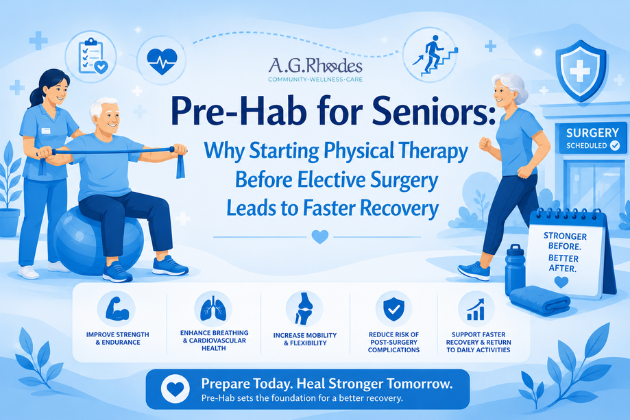
 Pre-hab, or pre-surgical physical therapy, helps seniors improve strength, mobility, balance, and endurance before elective surgery. Research consistently shows that older adults who participate in pre-hab often recover faster, experience fewer complications, reduce hospital stays, and regain independence sooner after procedures such as joint replacement, cardiac surgery, or spinal surgery. For seniors, preparing the body before surgery can significantly improve both short-term recovery and long-term quality of life.
Pre-hab for seniors is a structured physical therapy program completed before elective surgery to improve strength, flexibility, endurance, and mobility. Starting physical therapy before surgery helps older adults recover faster, lowers complication risks, shortens hospital stays, and improves the ability to return to daily activities safely and independently.
What Is Pre-Hab?
Pre-habilitation, commonly called “pre-hab,” is a proactive therapy program designed to prepare the body for surgery before the procedure occurs. Unlike rehabilitation, which happens after surgery, pre-hab focuses on improving physical condition beforehand.
For seniors, this can include:
- Strength training
- Balance and fall prevention exercises
- Flexibility and mobility work
- Cardiovascular conditioning
- Breathing exercises
- Education about post-surgical recovery
Pre-hab is commonly recommended before:
- Hip replacement surgery
- Knee replacement surgery
- Spinal procedures
- Cardiac surgery
- Abdominal surgery
- Shoulder surgery
Because aging naturally reduces muscle mass, flexibility, and endurance, older adults may benefit even more from pre-surgical conditioning than younger patients.
Why Pre-Hab Matters More for Seniors
Elective surgery places significant stress on the body. Seniors often enter surgery with underlying conditions such as arthritis, reduced mobility, balance issues, or muscle weakness that can slow recovery.
Pre-hab helps create a stronger physical baseline before surgery.
Key Benefits of Pre-Hab for Older Adults
Improved Strength Before Surgery
Stronger muscles help compensate for temporary weakness after surgery. Seniors who improve leg, core, and upper body strength beforehand are often able to stand, walk, and transfer more safely during recovery.
Faster Return to Daily Activities
Patients who participate in pre-hab may regain independence more quickly with activities such as:
- Walking
- Bathing
- Dressing
- Climbing stairs
- Getting in and out of bed
Reduced Risk of Complications
Pre-hab can help lower risks associated with:
- Falls
- Pneumonia
- Blood clots
- Muscle loss
- Reduced mobility after hospitalization
Shorter Hospital Stays
Many hospitals now encourage pre-hab because patients who are physically prepared often require shorter inpatient recovery periods and may transition home sooner.
Better Mental Preparedness
Surgery can create anxiety for older adults and caregivers. Pre-hab programs often educate patients about what to expect after surgery, helping reduce fear and improve confidence.
The Science Behind Pre-Hab and Faster Recovery
One reason pre-hab is so effective is that surgery temporarily decreases physical function. Seniors who begin recovery at a higher fitness level often have more physical reserve.
This concept is especially important in geriatric care because older adults can lose muscle strength rapidly during hospitalization.
Research-Supported Outcomes of Pre-Hab
Studies have linked pre-surgical therapy with:
- Improved post-operative mobility
- Reduced pain levels
- Faster walking recovery
- Lower rates of re-hospitalization
- Improved surgical outcomes after joint replacement
- Greater independence after discharge
For seniors recovering from orthopedic surgery, even small improvements in mobility before surgery can translate into major recovery advantages afterward.
What Happens During a Pre-Hab Program?
Every senior’s pre-hab plan should be personalized based on their:
- Surgical procedure
- Current mobility level
- Medical history
- Pain level
- Fall risk
- Home environment
Common Components of Senior Pre-Hab
Strength Training
Physical therapists focus on muscle groups most affected by surgery.
Examples include:
- Quadriceps strengthening before knee replacement
- Hip stabilization exercises before hip surgery
- Core strengthening before spinal procedures
Balance and Stability Training
Improving balance before surgery can reduce fall risk during recovery.
Range-of-Motion Exercises
Maintaining joint flexibility helps improve movement after surgery and may reduce stiffness.
Endurance Conditioning
Light cardiovascular exercise helps improve stamina for recovery and rehabilitation.
Breathing Exercises
For cardiac or abdominal surgeries, breathing exercises may help reduce post-operative pulmonary complications.
Recovery Education
Patients learn:
- Safe movement techniques
- Walker or cane usage
- Home safety preparation
- Pain management expectations
- Recovery milestones
Pre-Hab vs. No Pre-Hab: Recovery Comparison
| Recovery Factor | Seniors With Pre-Hab | Seniors Without Pre-Hab |
| Mobility After Surgery | Often improved | Frequently slower |
| Hospital Stay Length | May be shorter | Often longer |
| Strength Levels | Better preserved | Greater muscle loss |
| Fall Risk | Lower | Higher |
| Confidence During Recovery | Typically higher | Often lower |
| Return to Independence | Faster in many cases | More delayed |
How Families Can Support Pre-Hab Success
Family involvement can significantly improve outcomes for seniors preparing for surgery.
Helpful Ways Caregivers Can Assist
- Attend therapy sessions when possible
- Help maintain exercise consistency
- Prepare the home for safe recovery
- Encourage hydration and nutrition
- Coordinate transportation and follow-up care
Caregiver support also helps seniors remain motivated and engaged throughout the process.
Who Should Consider Pre-Hab?
Pre-hab may be beneficial for many older adults preparing for elective surgery, especially seniors who:
- Have mobility limitations
- Use walkers or canes
- Have experienced recent falls
- Live with arthritis or chronic pain
- Are concerned about post-surgical independence
- Want to recover safely at home
Even seniors who are relatively active can benefit from targeted therapy before surgery.
Why Skilled Rehabilitation Matters After Surgery
Pre-hab works best when combined with a strong post-surgical recovery plan. Seniors often recover more successfully when they receive coordinated rehabilitation services in a supportive environment.
At A.G. Rhodes, older adults receive compassionate rehabilitation and therapy services designed to help maximize independence, safety, and quality of life after surgery.
Benefits of Professional Rehabilitation Support
- Personalized therapy plans
- Skilled nursing oversight
- Fall prevention strategies
- Pain management support
- Mobility and strength training
- Assistance transitioning safely home
Whether recovering from joint replacement, spinal surgery, or another elective procedure, early planning and therapy can make recovery smoother and more successful.
Signs a Senior Should Start Pre-Hab Early
Starting pre-hab several weeks before surgery may provide better outcomes.
Consider beginning therapy early if the senior:
- Tires easily while walking
- Has difficulty standing from chairs
- Experiences poor balance
- Has decreased endurance
- Has multiple chronic conditions
- Lives alone after surgery
Early intervention allows more time to improve physical conditioning before the operation.
Final Thoughts
Pre-hab gives seniors an opportunity to prepare their bodies before elective surgery instead of waiting until afterward to begin recovery. By improving strength, balance, endurance, and mobility ahead of time, older adults can often experience faster recovery, fewer complications, and a quicker return to independent living.
For families planning an upcoming surgery, discussing pre-hab with healthcare providers and rehabilitation specialists can be an important step toward a safer and more successful recovery journey.
Contact A.G. Rhodes for Rehabilitation Support
If you or a loved one is preparing for elective surgery, rehabilitation planning should begin before the procedure itself.
A.G. Rhodes Rehabilitation Services provides compassionate therapy and recovery support designed specifically for older adults. Contact the team to learn how skilled rehabilitation and personalized care can help support a safer recovery and faster return to independence.
Frequently Asked Questions
Does pre-hab really help seniors recover faster after surgery?
Yes. Pre-hab helps seniors improve strength and mobility before surgery, which can support faster and safer post-operative recovery.
How long before surgery should seniors start pre-hab?
Many seniors begin pre-hab two to six weeks before surgery, depending on their condition and physician recommendations.
What surgeries benefit most from pre-hab?
Hip replacement, knee replacement, spinal surgery, cardiac surgery, and abdominal procedures commonly benefit from pre-hab programs.
Can seniors do pre-hab if they already have pain?
Yes. Physical therapists customize exercises to match the senior’s condition, mobility level, and pain tolerance.
Is pre-hab covered by insurance?
Coverage varies by insurance plan and medical necessity. Many physical therapy services related to surgery preparation may qualify for coverage.