

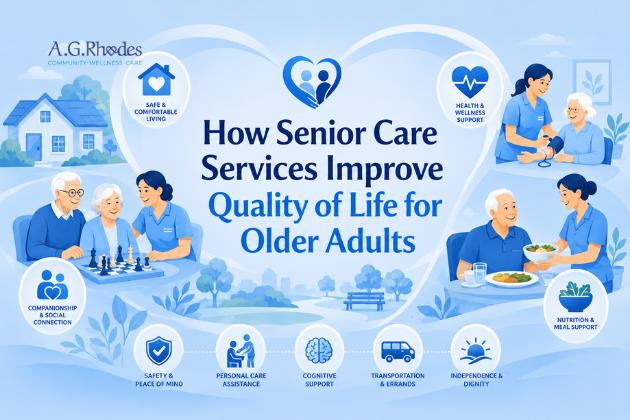
Senior care services improve the quality of life for older adults by providing personalized medical support, social engagement, daily living assistance, rehabilitation, memory care, and emotional well-being programs. These services help seniors maintain independence longer, reduce hospitalizations, improve safety, and support healthier aging while giving families peace of mind.
Senior care services enhance the quality of life for older adults by addressing physical health, emotional wellness, safety, social connection, and daily support needs. From skilled nursing and rehabilitation to memory care and therapeutic activities, professional senior care helps older adults remain healthier, more independent, and more engaged in everyday life.
Why Quality of Life Matters in Senior Care
As adults age, maintaining a high quality of life becomes just as important as managing medical conditions. Older adults often face challenges such as reduced mobility, chronic illness, cognitive decline, loneliness, and difficulty performing daily tasks.
Modern senior care services focus on more than healthcare alone. The best programs support the whole person by improving:
- Physical health
- Emotional wellness
- Social engagement
- Cognitive function
- Personal independence
- Safety and comfort
- Family relationships
This holistic approach allows seniors to age with dignity while receiving the level of care they need.
What Are Senior Care Services?
Senior care services include a wide range of healthcare, rehabilitation, and daily living support programs designed for older adults.
Common types of senior care include:
Skilled Nursing Care
Provides 24/7 medical supervision and assistance for seniors with complex medical needs.
Short-Term Rehabilitation
Helps seniors recover after surgery, illness, stroke, or hospitalization through physical, occupational, and speech therapy.
Memory Care
Supports individuals living with Alzheimer’s disease or other forms of dementia through structured routines and specialized care.
Long-Term Care
Offers ongoing support for seniors who need assistance with daily activities and medical management.
Respite Care
Gives family caregivers temporary relief while ensuring seniors continue receiving professional support.
Therapeutic and Recreational Programs
Encourages social interaction, mental stimulation, and emotional well-being through activities and community engagement.
The Biggest Ways Senior Care Services Improve Quality of Life
1. Improved Physical Health and Medical Support
One of the most significant benefits of professional senior care is consistent access to healthcare services.
Older adults often manage multiple chronic conditions, including:
- Heart disease
- Diabetes
- Arthritis
- Mobility limitations
- Respiratory conditions
- Cognitive disorders
Senior care teams help coordinate treatment plans, monitor symptoms, administer medications, and prevent complications.
Key Benefits Include:
- Faster recovery after hospitalization
- Reduced risk of falls and injuries
- Better medication management
- Lower hospital readmission rates
- Improved mobility and strength
Rehabilitation therapies also help seniors regain independence after illness or surgery, allowing them to return to everyday activities safely.
2. Enhanced Emotional and Mental Well-Being
Isolation and loneliness are major health concerns among older adults. Research consistently shows that social isolation can negatively affect mental and physical health.
Senior care communities and programs provide meaningful opportunities for social connection through:
- Group activities
- Shared meals
- Recreational programs
- Music, horticultural, and art therapies
- Exercise classes
- Community events
These experiences help seniors maintain emotional resilience and reduce feelings of depression or anxiety.
Social Health Is a Clinical Outcome
A growing number of healthcare providers now recognize “social health” as a measurable factor in overall wellness. Seniors with stronger social engagement often experience:
- Better cognitive performance
- Lower stress levels
- Increased physical activity
- Improved sleep quality
- Greater treatment compliance
This shift reflects a broader understanding that quality senior care extends beyond clinical treatment alone.
3. Greater Independence and Confidence
Many older adults worry about losing independence as they age. Senior care services are increasingly designed to preserve autonomy rather than replace it.
Care plans are personalized to support what seniors can still do independently while assisting only where necessary.
Examples include:
- Mobility support instead of full assistance
- Adaptive therapy techniques
- Personalized rehabilitation goals
- Daily living assistance tailored to individual abilities
This balanced approach promotes confidence and dignity while helping seniors stay engaged in their routines and preferences.
4. Better Safety and Fall Prevention
Falls are one of the leading causes of injury among older adults [1]. Professional senior care environments are designed with safety in mind.
Common safety features include:
- Handrails and accessibility modifications
- Supervised mobility assistance
- Medication monitoring
- Emergency response systems
- Fall prevention programs
Therapy services also strengthen balance and coordination, helping reduce future fall risks.
Comparison: Aging Alone vs. Professional Senior Care
| Quality of Life Factor | Aging Alone | Professional Senior Care |
| Medication Management | Higher risk of missed doses | Professionally monitored |
| Social Interaction | Often limited | Daily engagement opportunities |
| Fall Prevention | Minimal supervision | Structured safety support |
| Rehabilitation Access | Inconsistent | Integrated therapy services |
| Nutrition Monitoring | Difficult to manage alone | Balanced meal planning |
| Cognitive Support | Limited stimulation | Specialized memory programs |
| Family Stress | Often higher | Shared caregiving support |
5. Specialized Memory Care for Cognitive Health
Memory-related conditions such as Alzheimer’s disease and dementia require specialized support that many families cannot provide alone.
Memory care services improve quality of life through:
- Structured daily routines
- Cognitive stimulation activities
- Secure environments
- Personalized behavioral support
- Sensory-based therapies
These programs help reduce confusion, anxiety, and agitation while supporting emotional comfort and familiarity.
Personalized Dementia Care
Leading senior care providers increasingly use personalized memory profiles to tailor care around a resident’s life history, interests, routines, and preferences. This person-centered approach can improve engagement and reduce behavioral distress.
6. Relief and Support for Family Caregivers
Senior care services also improve the quality of life for family members.
Family caregivers often experience:
- Emotional exhaustion
- Burnout
- Financial strain
- Sleep disruption
- Stress-related health issues
Professional care teams help families share responsibilities while ensuring loved ones receive consistent support.
Benefits for families include:
- Better work-life balance
- Reduced caregiving stress
- Expert healthcare guidance
- Improved peace of mind
- More meaningful family interactions
Instead of focusing solely on caregiving tasks, families can spend more quality time together.
How to Choose the Right Senior Care Services
Not all senior care programs provide the same level of support. Families should evaluate providers carefully.
Look for These Important Factors:
Personalized Care Plans
Care should reflect the senior’s medical, emotional, and personal needs.
Rehabilitation Services
On-site therapy programs improve recovery and mobility outcomes.
Experienced Clinical Staff
Strong nursing and therapy teams contribute to better health management.
Engaging Activities
Social and recreational programming supports emotional wellness.
Family Communication
Transparent communication helps families stay informed and involved.
Specialized Memory Care
Dedicated dementia support is essential for cognitive conditions.
Why Families Trust A.G. Rhodes for Senior Care
A.G. Rhodes provides compassionate senior care services focused on dignity, wellness, rehabilitation, and quality of life.
Families choose A.G. Rhodes for:
- Skilled nursing care
- Short-term rehabilitation
- Memory care support
- Person-centered care planning
- Therapeutic recreation programs
- Experienced healthcare professionals
With a long-standing commitment to compassionate care, A.G. Rhodes helps older adults live with greater comfort, confidence, and connection.
Signs It May Be Time to Consider Senior Care Services
Families often wait too long before seeking professional support. Early intervention can significantly improve outcomes and quality of life.
Common signs include:
- Frequent falls or mobility issues
- Missed medications
- Increased confusion or memory loss
- Difficulty preparing meals
- Difficulties with other activities of daily living (ADLs)
- Social withdrawal
- Caregiver burnout
- Repeated hospital visits
Seeking care early can help seniors maintain independence longer while preventing avoidable health complications.
Conclusion
Senior care services play a critical role in helping older adults maintain dignity, independence, health, and emotional well-being. Through personalized medical care, rehabilitation, memory support, and social engagement, professional senior care improves both daily life and long-term outcomes.
For families seeking compassionate, high-quality senior care, A.G. Rhodes offers trusted support designed to help older adults thrive at every stage of aging.
Learn More About Senior Care at A.G. Rhodes
Explore how A.G. Rhodes can support your loved one with expert rehabilitation, skilled nursing, and person-centered senior care services.
Contact the team today to schedule a tour or speak with a care professional.
Frequently Asked Questions
What are senior care services?
Senior care services provide healthcare, daily living support, rehabilitation, and emotional wellness programs designed for older adults.
How do senior care services improve quality of life?
They improve safety, health management, social engagement, emotional wellness, and independence for aging adults.
What is the difference between skilled nursing and assisted living?
Skilled nursing provides 24/7 medical care and rehabilitation, while assisted living primarily supports daily living activities.
Can senior care help people with dementia?
Yes. Specialized memory care programs support individuals with Alzheimer’s disease and other forms of dementia.
When should families consider professional senior care?
Families should consider care when seniors experience safety concerns, declining health, memory issues, or difficulty managing daily tasks independently.
Resources:
- https://www.cdc.gov/falls/data-research/index.html